The numbers come first. Consumer prices rose 3.7% over the 12 months through September 2026, according to the Bureau of Labor Statistics, well above the Federal Reserve's 2% target. Paychecks have not kept up. Fed minutes from the meeting ending October 28 say most participants judged that aggregate nominal wage growth remained moderate, which the Fortune report reads as wages falling behind inflation by nearly 2%.
The exceptions are narrow. The minutes note that shortages of skilled workers needed for data center construction and related industries had produced sizable wage premiums, and that reduced labor supply in industries reliant on immigrant workers could add to sectoral wage pressure. Those gains, the minutes add, were not yet having a material effect on aggregate wage measures. In practice, that leaves the AI infrastructure boom and a handful of side hustles as the places where income is outrunning the cost of living.
UBS economist Paul Donovan put the point bluntly to clients: the Fed's own notes convey that 'consumer resilience continues to depend on lowering savings rates and engaging in side hustles.' In other words, households are covering the gap by drawing down savings and taking on second jobs, not by earning more from their primary work.
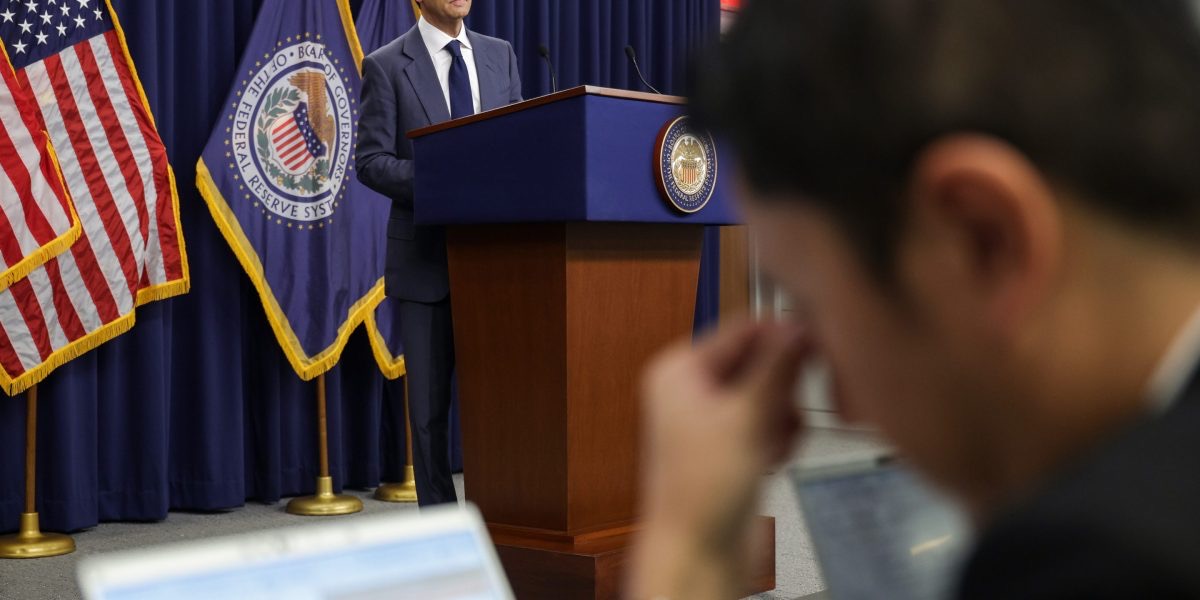
The central bank's response is taking shape. The Fed has a few weeks and several data releases before its December rate-setting meeting. The minutes describe the economy as 'stable and close to maximum employment' while inflation runs above target, which points toward a hike. Interest rate traders assign a 91% probability to a 25 basis point increase, according to CME's FedWatch. Fed Governor Christopher Waller has gone further and called for a 50 basis point move, saying the central bank needs to 'shock people.'
Donovan's warning is that higher borrowing costs would fall on the consumers and businesses least able to absorb them. He noted that the inflation drivers, oil prices and AI-related demand, sit largely beyond the Fed's reach, and that the only lever left would be to create near-recessionary conditions in the parts of the economy that respond to rate policy.
For the free-market reader, the lesson is about what sits underneath the headline rate. Inflation is a tax levied on every dollar of saved and earned income, and it lands hardest on the families with the least room to maneuver. Capital and labor flow where rewards are clear, which explains the premiums in data center construction. Households without those opportunities are left trading sleep and savings for a second paycheck. Any relief will depend on a Fed that stops treating price stability as an afterthought, and on policies that let private enterprise expand supply faster than the bureaucracy can manage demand.