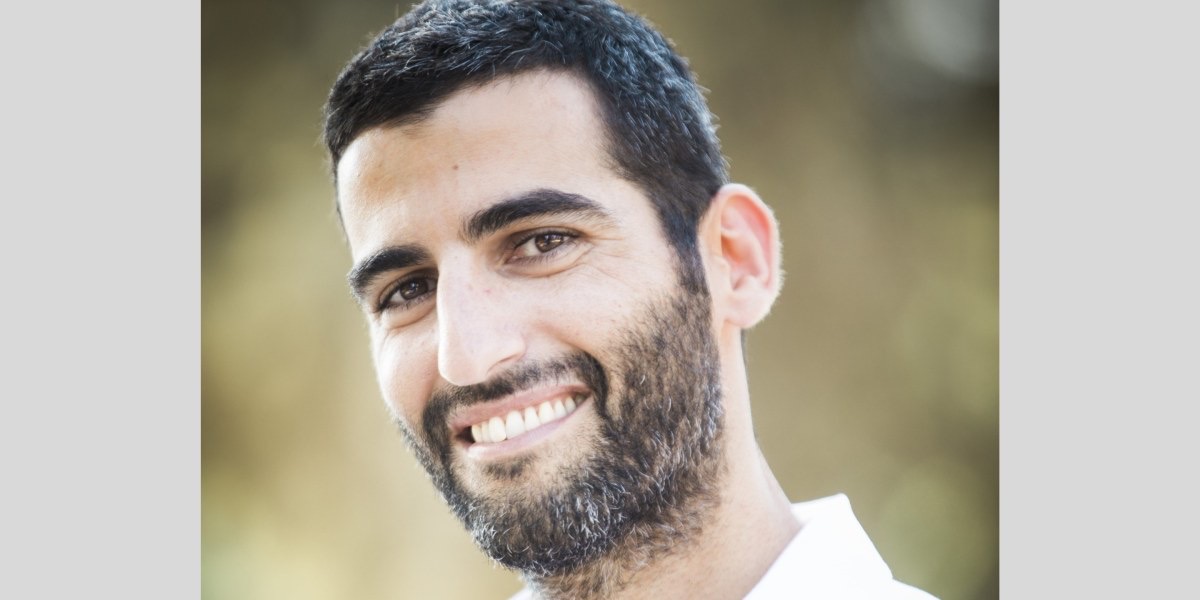
The numbers come first. Roee Naim, co-founder and CEO of Tutorela, a U.S. tutoring marketplace, built what he describes as the best math practice product his company could make: more than 10,000 exercises, full text and video solutions, a game-style reward system, and an AI assistant that could walk a student through any step for free. Only about 10% of students used it, and most of those who started did not stick around.
Naim's company had run Limud Naim, a tutoring marketplace in Israel, for 15 years, with tutors who have taught more than 500,000 private lessons. The app was built to fill the gap between those lessons. The content was not the problem. The students simply were not showing up to do the work.
The pattern is not unique to Tutorela. A two-year randomized trial in 18 Tennessee middle schools, published this year by the National Bureau of Economic Research, examined Khanmigo, Khan Academy's AI tutor. Nearly every student tried it, but the median student messaged it on only a third of the days they practiced, and in only 17% of the practice sessions where they made a mistake. Most messages were one- or two-word answers or clicks on suggested prompts. The math gains matched what Khan Academy practice delivers without any AI. Khan Academy itself says only about 15% of students with access to Khanmigo engage with it. In the researchers' words, 'It may be that human attention is the key ingredient.'
Naim's team then changed one variable. They did not touch the app. They changed who was in charge of it. Each student's tutor began choosing the practice that fit where the student stood, assigning it, and following up at the next lesson. According to Naim, more than half of the students who received assignments from their tutor completed them, compared with about 10% who used the app on their own.
That result is why Tutorela was built as a hybrid from the start. Human tutors set the direction, and AI covers the time in between: answering a question at 9 p.m., explaining a step a third time without frustration, and offering more practice than any human could grade.
The market has already voted on the core question. Students today have more free, high-quality explanations than any generation in history. Capital and parental budgets have flowed to services that deliver accountability, and the Tennessee trial and Tutorela's experience both point the same way. Software that is available but not used delivers no learning.
For school boards weighing AI-heavy models in Texas and South Carolina, where Alpha School is expanding into public schools, the procurement question is less about whether the software works and more about who answers for each student's results. If the answer is 'the software,' taxpayers should expect wide access, thin engagement and students who quietly drop off, which is exactly what the Tennessee researchers recorded.
The private sector is making a clear bet. Human accountability is the product, and AI is the tool that makes it cheaper to deliver. Public education spending, which ultimately comes from the taxpayer, deserves the same discipline. A dollar spent on a system with no one answerable for outcomes is a dollar spent hoping. Schools that want results should buy the model that makes a person responsible for the work getting done.