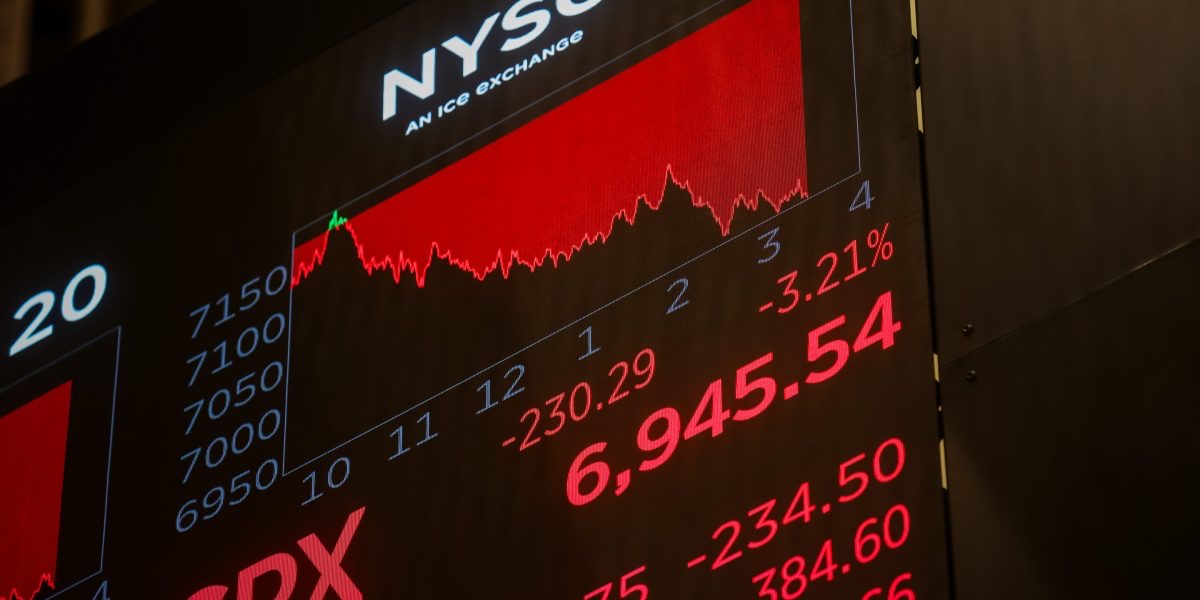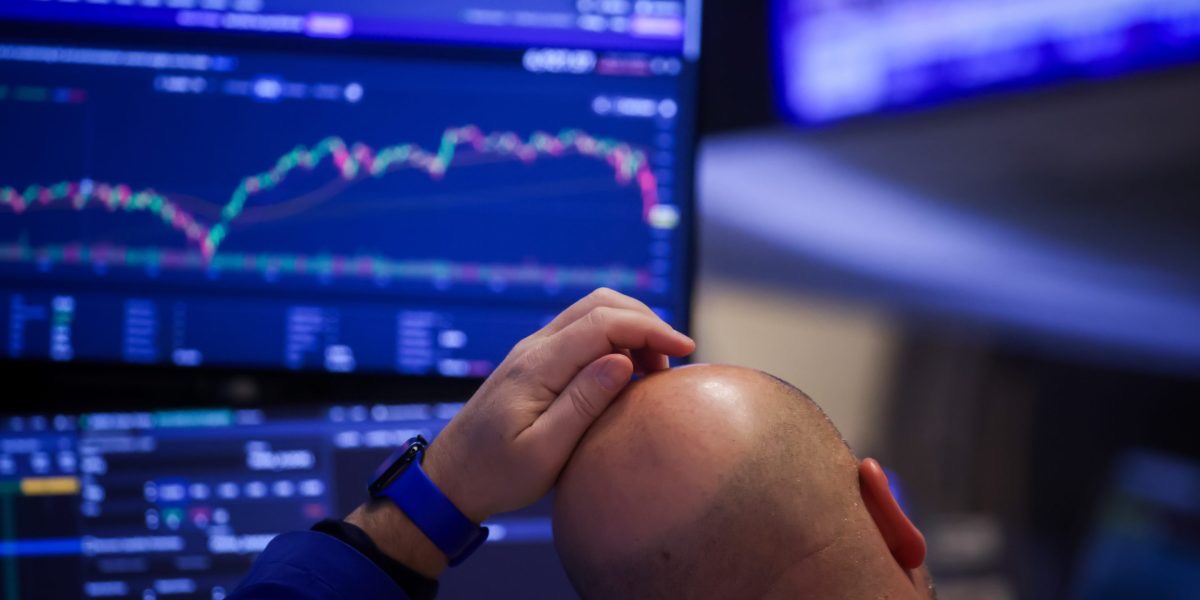
The S&P 500 closed Friday in a correction, falling 3.59% to 6,918.45 for its seventh straight loss, its longest losing streak since February 2020. The Nasdaq Composite dropped 5.28% and is now down more than 2% for the year. Goldman Sachs notes the index sits 12% below its Oct. 6 record.
The numbers come first. Goldman's AI stock basket is down 32% since Oct. 6, and cyclical stocks have lagged defensives by 5 percentage points over the past 10 days. According to Goldman strategist Snider, the sell-off 'expanded this week from an AI unwind to a broader growth downgrade.' The S&P 500 excluding AI held up until this week and is now 6% below its high. Goldman's exhibits were priced as of Nov. 19, so Friday's rout may have been worse than the note acknowledged.
Goldman said any one of three developments would support a bottom and a recovery: news that raises confidence in AI earnings, a dovish Fed signal, or a large drop in investor positioning.
The first condition is the one the market is testing. Investor Dan Niles told CNBC that a price war between Anthropic and OpenAI is hurting both, noting that their combined sequential revenue growth fell from 75% in the second quarter to 48% in the third, while combined losses rose from $7.9 billion to about $8.4 billion. Reuters cited a valuation of about 40 times trailing sales for Anthropic. A US Bank Asset Management executive said that valuation 'assumes years of rapid growth.' Goldman's own outlook says the AI outlook for 2028 and beyond 'is highly uncertain.'
The second condition is the Fed, and it looks unlikely soon. Futures put the odds of a December hike at about 95%, and the Fed meets Dec. 9. Goldman's economists expect hikes in December and March, lifting the federal funds rate to a peak of 4.25% to 4.5%. Philadelphia Fed President Anna Paulson said Thursday that the Fed will need to raise rates again because inflation is too high. Treasuries rallied sharply Friday as investors sought safety, which is not the same as a Fed pivot. The 10-year Treasury yield is near 5%.
The third condition is positioning, which has often marked the end of past drawdowns. Goldman's note says hedge funds have already cut back, and their net leverage is the lowest since April 2025. A companion report says the most popular hedge fund longs were crowded into the AI trade and have lagged the S&P 500 by 14 percentage points over six months.
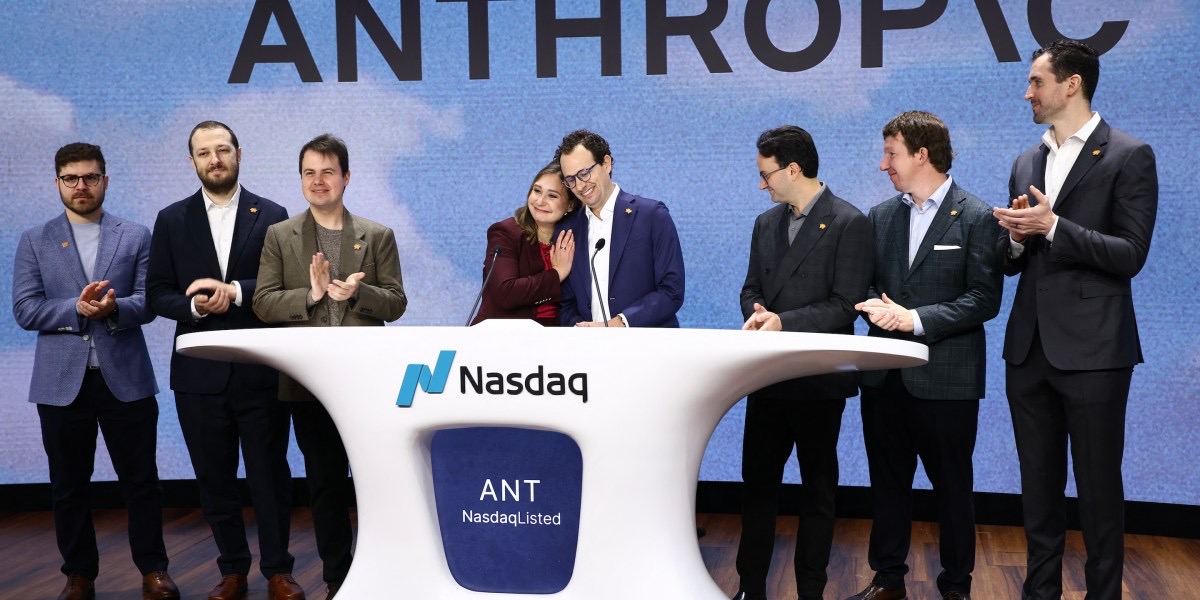
The Anthropic IPO shows how fragile the trade has become. The company raised $93.5 billion after underwriters exercised an option, passing SpaceX's $85.7 billion as the largest IPO on record. The shares jumped 17% Thursday, then gave most of it back Friday to close at $88.91, not far above the $83 IPO price. Dakota Wealth's Robert Pavlik said, 'I don't think investors believe there's something inherently wrong with the company... I think they're just skeptical of this market.' Morgan Stanley closed its support position, removing a potential pillar of support. A Capital Economics economist wrote that the IPO's success while other AI stocks fell shows the parts of the AI ecosystem 'no longer move as one.' Nvidia, Broadcom, Micron and AMD fell roughly 12% to 14%, and the VIX closed at 35.89, its highest in 19 months.
The market has already voted on the AI story, and the verdict is skepticism. Capital rewards clear rules and visible returns, and right now investors cannot see either clearly in AI earnings or in Fed policy. Higher rates raise the cost of the very capital that funded the boom, and that is the lesson for shareholders and for taxpayers who backstop an overheated system. Free enterprise works best when losses fall on the investors who chose the risk, not when a policy bailout quietly shifts them elsewhere. Until the Fed and the AI earnings picture clear up, the bottom Goldman is waiting for will be determined by the market, not by Washington.