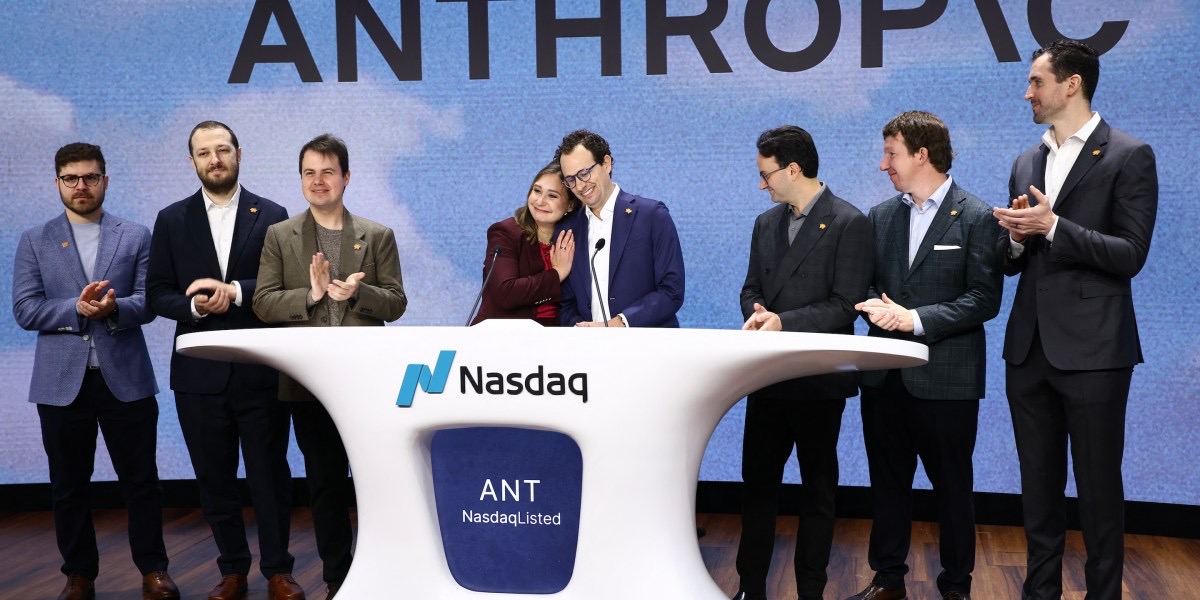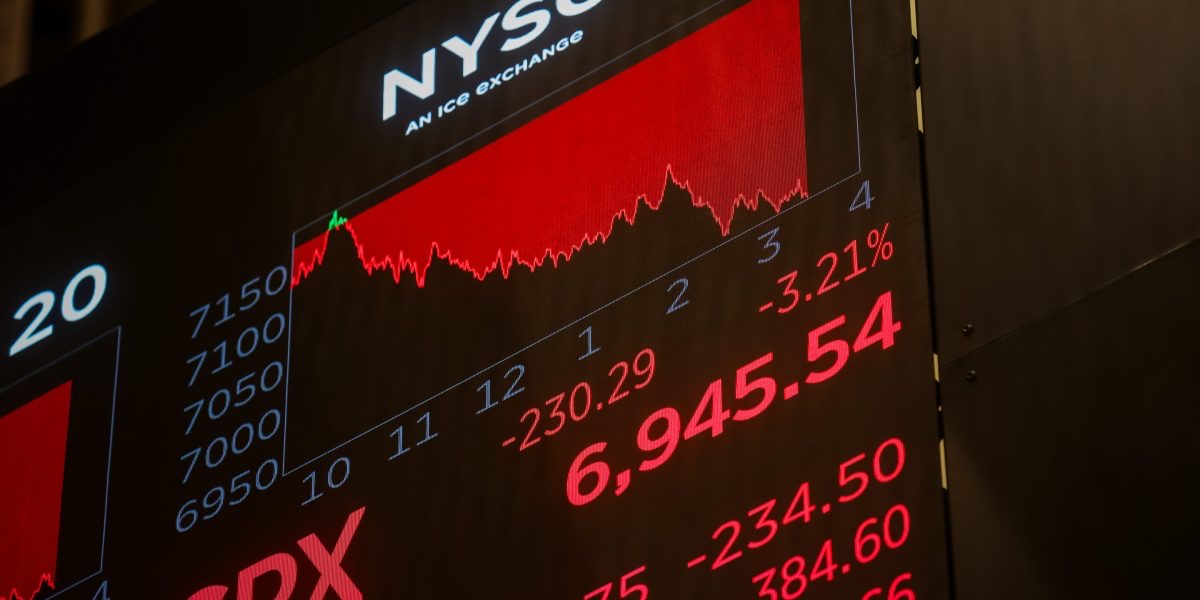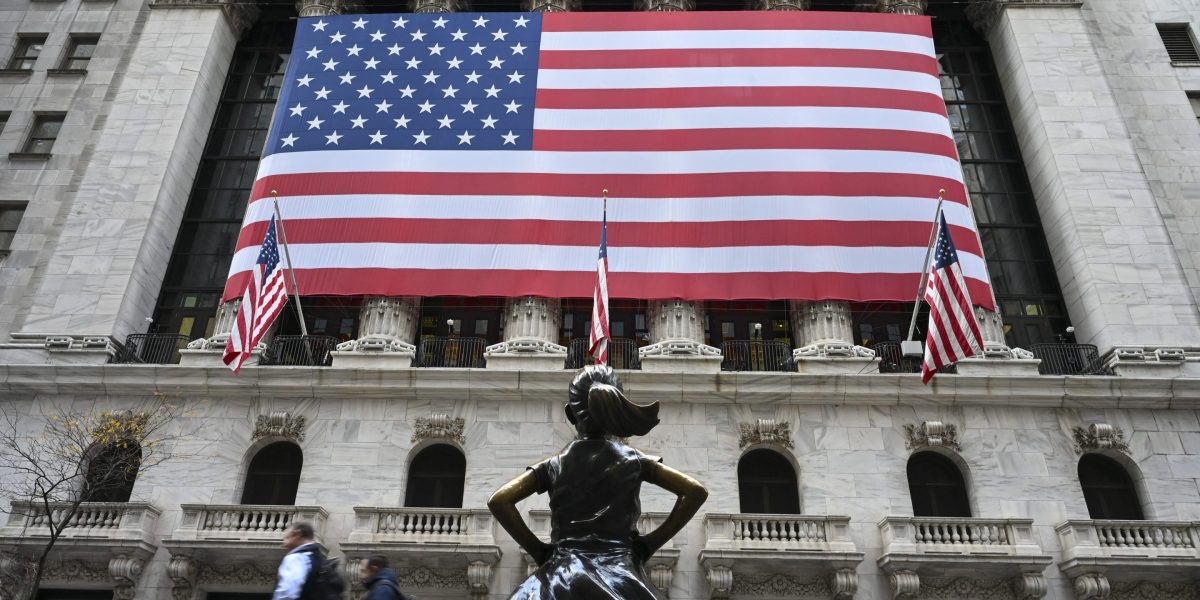
Investors opened the holiday-shortened week with early relief. Futures tied to the Dow Jones industrial average surged 684 points, or 1.41%. S&P 500 futures climbed 2.1%, and Nasdaq futures soared 2.89%. The bounce followed the worst loss in more than six years, a stretch that pushed the Dow and Nasdaq into their biggest weekly declines since the early days of the COVID-19 pandemic. The S&P 500 posted its steepest weekly drop since April 2025, when President Donald Trump stunned markets with his 'Liberation Day' tariffs.
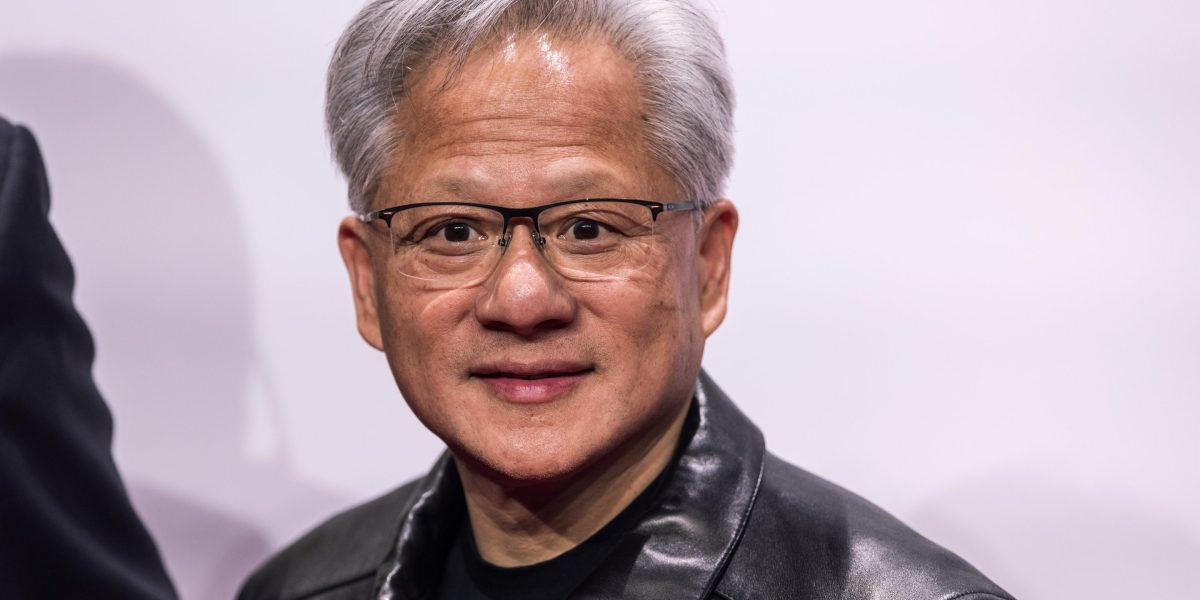
The selloff was led by technology. Wall Street has grown anxious that the AI boom is about to go bust. The downtrend began after the midterm elections handed victories to Democrats who are more skeptical of data centers. Then came a shock inside the sector itself. The Nvidia spy scandal led to Jensen Huang's ouster as CEO, which added fuel to the fire. Investors worried that his 'circular' financing deals would unravel and leave neocloud companies in its ecosystem without capital for new data centers or AI chips. Separate revelations that China had backdoor access to high-end U.S. chips used in AI development are spurring a federal crackdown to close loopholes in export restrictions. Trump also vowed to stop U.S. companies from building data centers abroad.
The macro risk is real. Moody's Analytics Chief Economist Mark Zandi warned that the selloff could weigh on growth through the wealth effect. He estimated that consumer spending rises or falls by about 2 cents for every $1 change in net worth over about a year. If stock prices stay where they are, the wealth effect would subtract almost 0.3 percentage points from real GDP growth a year from now, after adding 0.7 percentage points this quarter. 'We've seen AI stocks selloff before, only for them to rebound quickly,' Zandi wrote. 'Investors have been conditioned to buy on the dip. But... it feels increasingly like the easy money in the AI trade has been made.'
Still, the sell-side is not panicking. Morgan Stanley and Goldman Sachs expect the S&P 500 to finish next year at 8,700. UBS Global Wealth Management and Wells Fargo see 8,200. Steve Chiavarone, chief investment officer for equities at Federated Hermes, holds a year-end view of 10,000, a 45% surge from current levels. He brushed aside the midterm results, arguing that risks to the buildout are overblown. 'A modest pullback in the data center buildout could give cash flows time to catch up, easing inflation pressures and making the investment boom more sustainable,' he said.
Markets close Thursday for Thanksgiving and open only a half day Friday. Thin volume can exaggerate rebounds, so the bounce may look stronger than the underlying conviction. The real test comes when full liquidity returns and the market has to price earnings, not holiday cheer.
The editorial reading is straightforward. Capital rewards clear rules and predictable returns, and the AI trade has been priced on promises that depend on cheap financing, export access and permission to build. When the financing web looks circular and the rules shift with each election, investors demand a discount. The taxpayer ultimately bears the cost of any wealth-effect slowdown through weaker growth, and a free-enterprise economy works best when the government stays out of the data center business and lets markets, not political cycles, decide who wins.