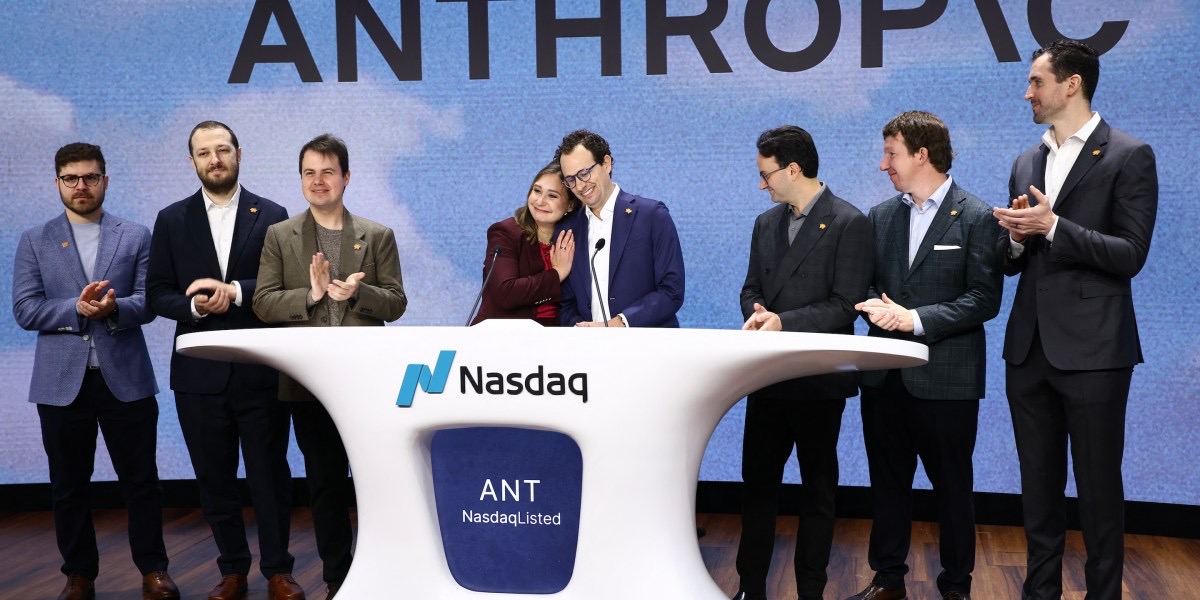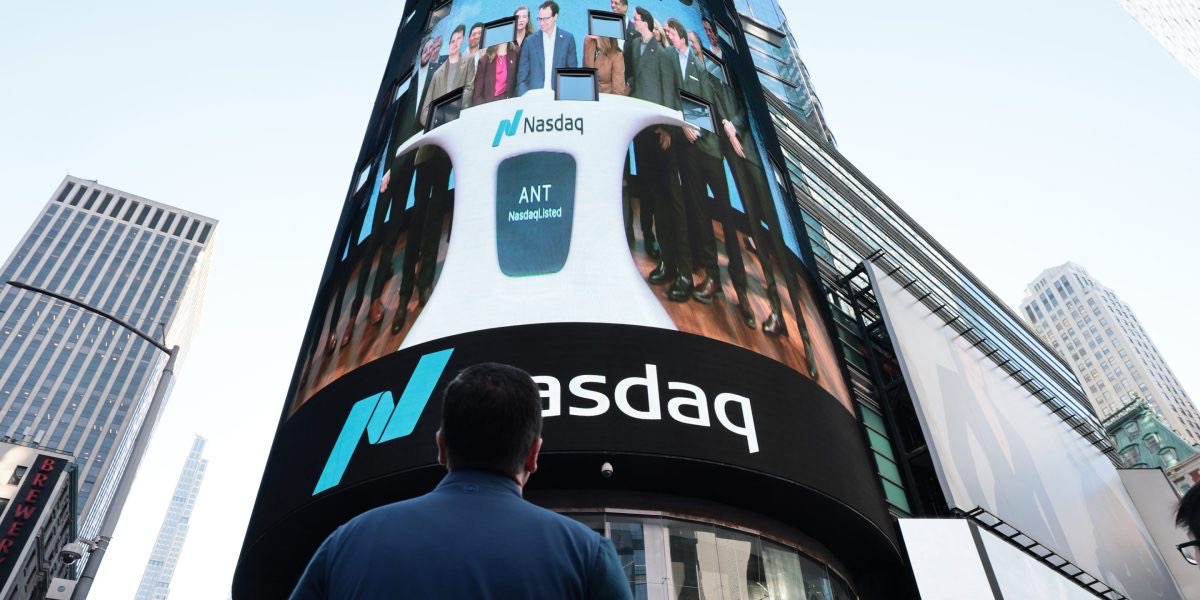
The numbers come first. Anthropic, the maker of the Claude chatbot, opened at $111.50 a share on Nasdaq, about 34% above its $83 IPO price. Several crypto platforms had promised customers a piece of that offering through tokens designed to track the stock. Whether those tokens delivered exposure at the IPO price, or at all, was never clear.
Binance Wallet was the first to stumble. Minutes after trading began, the platform said it had not secured enough shares to fill customer orders. It said it would refund everyone who had put up money and split the available tokens among eligible customers for free, in proportion to how much each had committed. The day before, the wallet had opened Anthropic-linked tokens at the eventual IPO price plus a 5% fee. Users committed $500 million within hours, hitting the campaign's cap and forcing an early close.
The mechanics explain the problem. Firms like Binance typically obtain share allocations for themselves, hold them in custody, and then issue tokens that serve as claims on the stock. If the allocation is smaller than the demand, the token holders get less than they paid for, or nothing at all. Kraken let eligible customers request Anthropic-linked tokens at the final IPO price plus 5%, but did not guarantee an allocation. Ondo took a different route, launching its token only once Anthropic shares began trading, so buyers got market prices rather than a shot at the IPO price. Bitget and bStocks also joined the rush.
Tokenized stocks have grown quickly. According to a report by blockchain analytics platform Dune, the total value of tokenized real-world assets topped $34 billion by September, and tokenized stocks grew fastest, rising more than 2,000% as active holders surpassed 1 million. The appeal is simple: buyers can gain exposure to U.S. equities without owning shares directly, and on some platforms trade outside regular market hours.
The same stress test already played out in June. SpaceX priced its IPO at $135 a share, with investors requesting more than four times as many shares as were on offer. Binance Wallet had taken orders at the IPO price but could not source enough shares, canceled the offering, and refunded customers, who then missed the opening jump when SpaceX traded about 11% above its IPO price.
The lesson is not that tokenization is worthless. It is that a token is only as good as the share allocation behind it. Capital rewards clear rules, and the rules here are thin: a promise of exposure, a fee, and no guarantee the underlying stock exists in the quantity sold. The market has already voted on this model twice in 2026, and both times the retail buyer waited while the institutions and the lucky allocation holders collected the gain. Free enterprise depends on contracts that deliver what they sell. Until these platforms can show custody and allocation at the scale they advertise, customers should treat IPO-linked tokens as a bet on the platform, not on the company.