The numbers come first. According to AARP, the typical working caregiver will lose $120,500 over her lifetime in wages, workplace retirement income and Social Security. Across the generation of caregivers born in the early 1980s, that adds up to $2.3 trillion. That estimate, built on the Urban Institute's long-range income model, counts only women who kept their jobs.
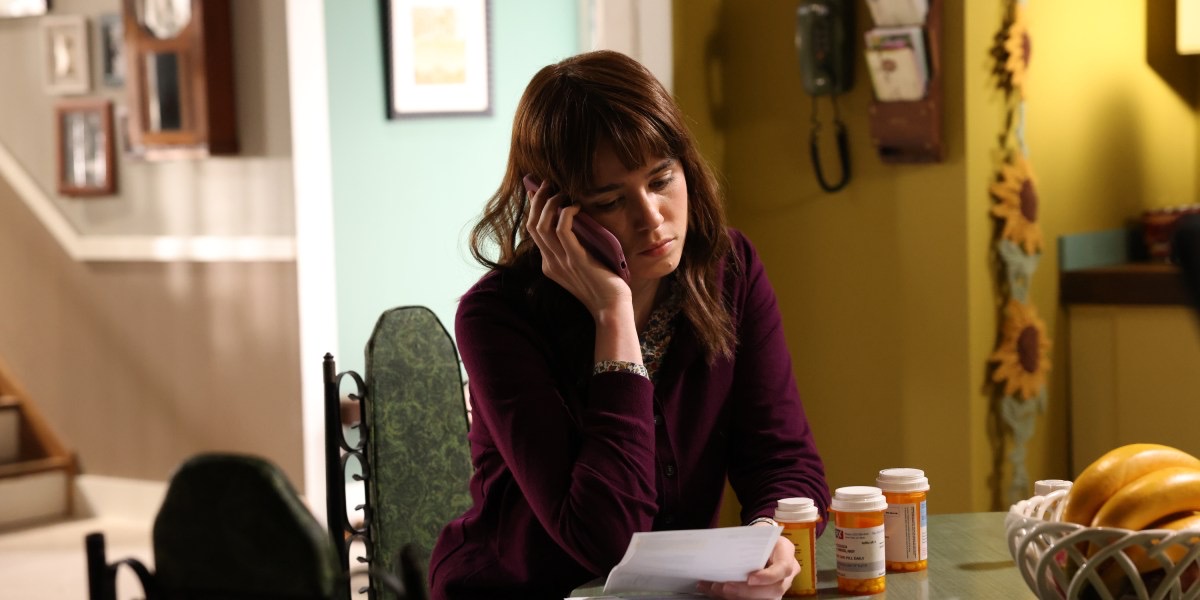
The columnist, Chandra Bozelko, writes that she is not in that number. For the last 14 years, and several years before that, she has been her parents' full-time caregiver without pay. Her father died in 2022, and the workload grew when her remaining parent needed more care. She manages medications, deals with insurers, takes her mother to specialists and runs the errands. Her writing career has shrunk around that work: missed meetings, moved deadlines and the same explanation of her mother's health repeated to every editor she works with.
Social Security is where the damage compounds. Benefits are calculated from a worker's 35 highest-earning years, and every year without a paycheck counts as a zero in that average. Bozelko notes that her 2024 record shows a near-zero figure. A woman who leaves work for five years does not simply lose five years of income. She locks in a smaller monthly check for the rest of her life, long after the parent she cared for has died.
The scale of unpaid labor is large. According to the AARP Public Policy Institute, America's 59 million family caregivers provided 49.5 billion hours of care in 2024, work valued at $1.01 trillion. That is more than total Medicaid spending that year, and three in five of those caregivers are women. The figure measures what the care is worth. It says nothing about who pays for it.
The out-of-pocket costs are rising too. AARP's 2026 study, released in October, found that caregivers now spend an average of $11,508 a year, nearly 60 percent more than in 2021 and about 31 percent of household income. Research cited by the TIAA Institute found that nearly a quarter of caregivers have less than $1,000 saved for retirement. In Bozelko's account, caregiving does not just prevent a woman from building wealth. It consumes the wealth she already had.
The market has already priced this in, though no one has charged for it. Her lost wages are a leave policy her employer never funded. Her unpaid hours are home-health services the state never had to buy. Her savings cover a household that is not legally hers, and her labor keeps her parents out of a nursing home, which protects an estate that is then split among siblings who did not do the work.
That is the editorial reading. Caregiving is described as love because calling it love closes the books before anyone asks who owes what. Free enterprise rewards labor with wages, pensions and the compounding of earnings. Here, the labor is real, the value is measured in the trillions, and the bill lands on one family member, usually a daughter or sister, while the taxpayer and the family's other heirs walk away whole. A serious conversation about family care has to start with the people who keep the books honest: the worker's own paycheck, her own retirement and her right to be paid for what she does.



