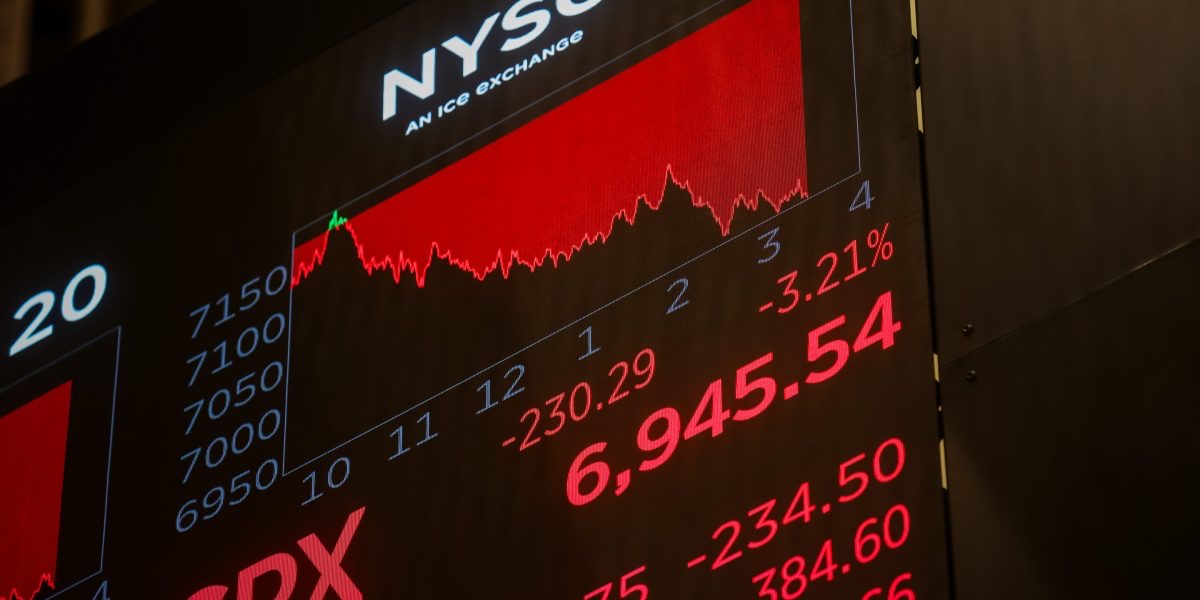
Brent crude was priced at $92.83 per barrel at 7:15 a.m. Eastern Time on November 20, 2026. That is a drop of 58 cents from the same time the previous day, and more than $29 above the price one year earlier.
The numbers come first. Brent is the benchmark that better represents global oil performance, because it prices much of the world's traded crude. The U.S. Energy Information Administration now uses Brent as its primary reference in its Annual Energy Outlook, a sign of how central it has become to energy analysis.
Oil prices are hard to forecast with precision. Fortune reports that the market ultimately comes down to supply and demand, but expectations of recession, war and other large-scale disruptions can shift the path quickly. Prices update constantly while futures markets are open, since every trade in a contract for future delivery changes the price.
Gasoline is a second step removed. Crude makes up a majority of the per-gallon cost, so swings in oil move pump prices. The rest is refining, transport, taxes and the retailer's margin. Fortune notes the familiar pattern known as 'rockets and feathers': pump prices tend to rise quickly when crude surges and fall slowly when it retreats.
The U.S. also holds the Strategic Petroleum Reserve, whose primary purpose is energy security in case of sanctions, severe storm damage or war. It can provide temporary relief during supply shocks, though it is not a long-term answer.
Policy matters too. Fortune points out that in 2025 the Trump administration moved to reopen more than 1.5 million acres in the Coastal Plain of the Arctic National Wildlife Refuge for oil and gas leasing, reversing the Biden administration's limits on Arctic drilling. Access to more domestic supply, including shale, is the variable that can keep prices from spiking as sharply.
The effects spread beyond the car. Fortune notes that expensive oil raises the cost of heating, utilities and shipping, which in turn lifts grocery prices as goods travel from warehouses and farms to store shelves.
The editorial reading is straightforward. Households pay the first and most visible cost of every supply constraint, and the taxpayer funds the emergency reserve that cushions it. Capital and workers in domestic energy production respond to clear rules and open acreage far more readily than to restrictions. A market that can add supply is a market that can bring prices down, and a policy that closes off drilling trades future affordability for present political comfort.