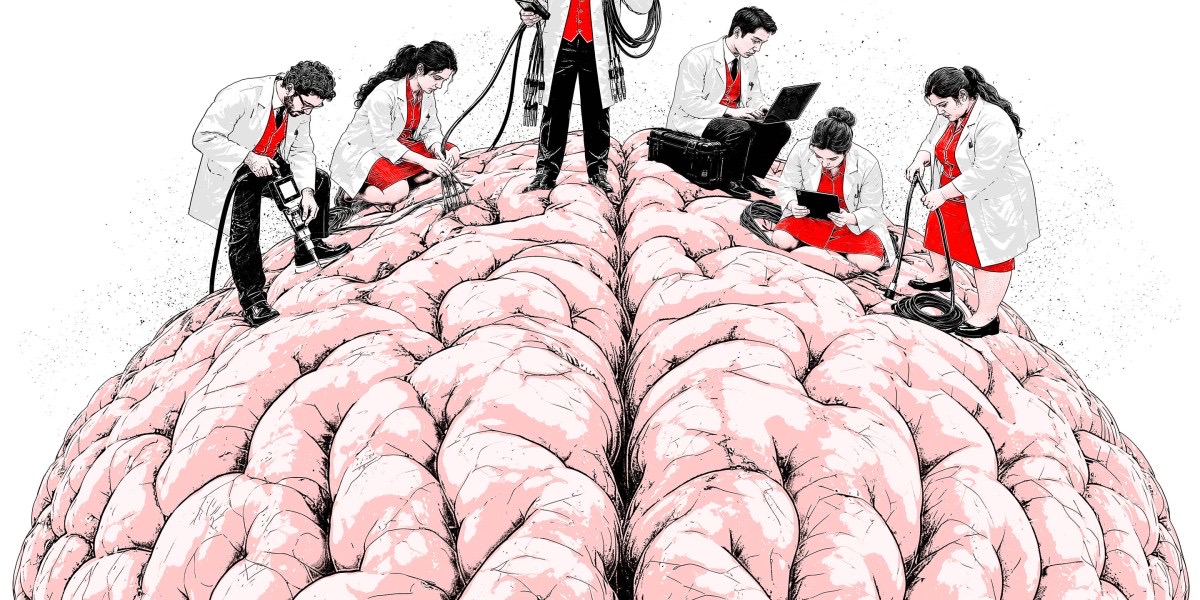
The numbers come first. Neuralink, owned by Elon Musk, has raised $1.3 billion in funding, more than double the next-best-funded brain implant company. By 2025 the company was valued at roughly $9.7 billion. Its N1 implant places a quarter-size device onto the brain tissue, with 64 wires, each thinner than a human hair, picking up signals from neurons and transmitting them to a phone or tablet. About 26 people use the device today in the testing phase, all with severe disabilities.
The contest is not a one-company affair. Synchron, led by founder and CEO Thomas Oxley, is described as neck and neck with Neuralink in the FDA process, and its Stentrode device is less invasive because it does not require a skull-breaking craniotomy. Oxley told Fortune that Synchron has implanted its device in 15 people, adding five more since last year, while Neuralink has gone from seven patients to 26 over the same period. Paradromics, focused on restoring speech, and Precision Neuroscience, pursuing an interface for patients with paralysis, are also sprinting for approval. Chad Bouton, CEO of Neuvotion, said, 'It is definitely a race,' and predicted that the next three or four years could bring an FDA clearance.
The market is attractive for two reasons. The first is the devices themselves. The second, and arguably the more valuable, is the data they gather. Nita Farahany, a professor at Duke University who has written a book on defending freedom of thought against brain implants, warned, 'What you're thinking and feeling is your last space of true privacy.' She added that companies 'could know what products we want before we do.'
AI is what makes the business case grow. According to Matt Angle, CEO of Paradromics, AI-enhanced implants could one day take instructions directly from our thoughts and anticipate desires before we are aware of them. 'It won't be mainstream right away,' Angle said, 'but it'll come sooner than a lot of people are expecting.'
Workers should pay attention. Fortune reports that brain implants could usher in a new wave of employee surveillance in the name of productivity, recording biological signals that reveal whether a worker is focused or letting the mind wander. Employers could even nudge staff back to work if the devices develop two-way communication.
The market has already voted on the promise: capital is pouring into a technology not yet sold in the United States. But capital rewards clear rules, and no clear rules yet protect the most intimate data a person owns. Free enterprise is best served when innovators earn their returns by serving patients, not by building a ledger of private thought that the taxpayer will eventually be asked to police. Before the first implant reaches the American market, the regulatory question deserves a sharper answer than the industry has offered.



