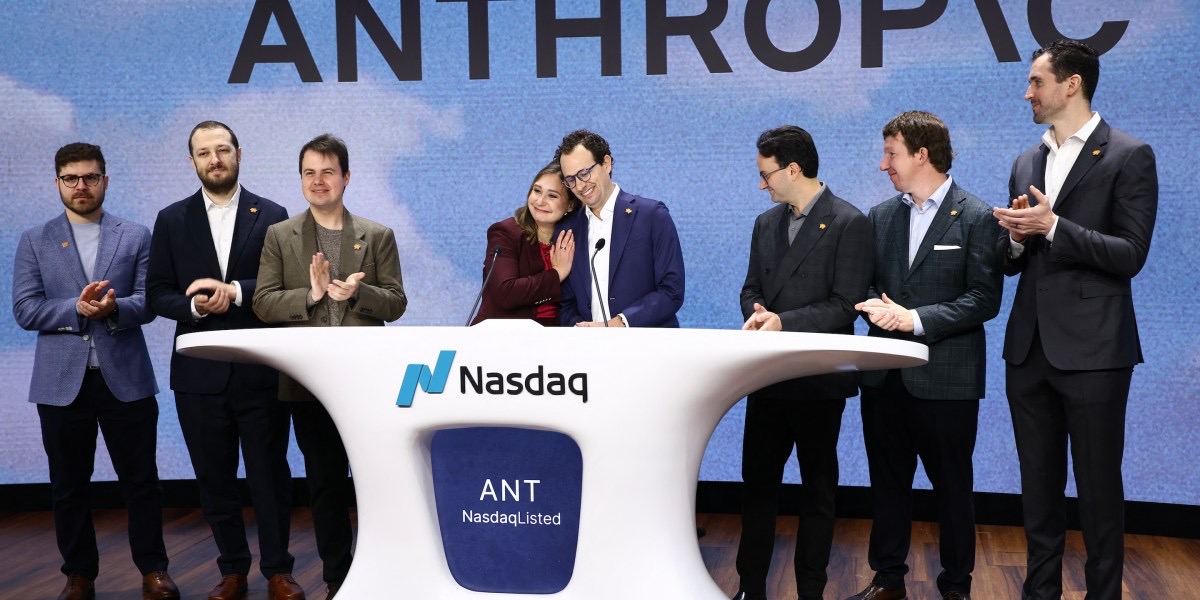
The numbers come first. Anthropic priced its initial public offering at $83 per share, above its expected target range of $70 to $78, according to a source familiar with the matter who spoke to Reuters. The pricing marks one of the biggest market debuts in history and the first time a major frontier AI developer has gone public. The company also increased the size of the offering from its initial plan of 825 million shares.
At the IPO price, Anthropic is reportedly valued at $1.5 trillion on a fully diluted basis, according to TechCrunch. That is up sharply from the $965 billion the company reached in May, when it raised $65 billion in its last private market round, but below the $2 trillion it was reportedly aiming for several months ago. Anthropic will trade on Nasdaq under the ticker 'ANT,' beginning Thursday.
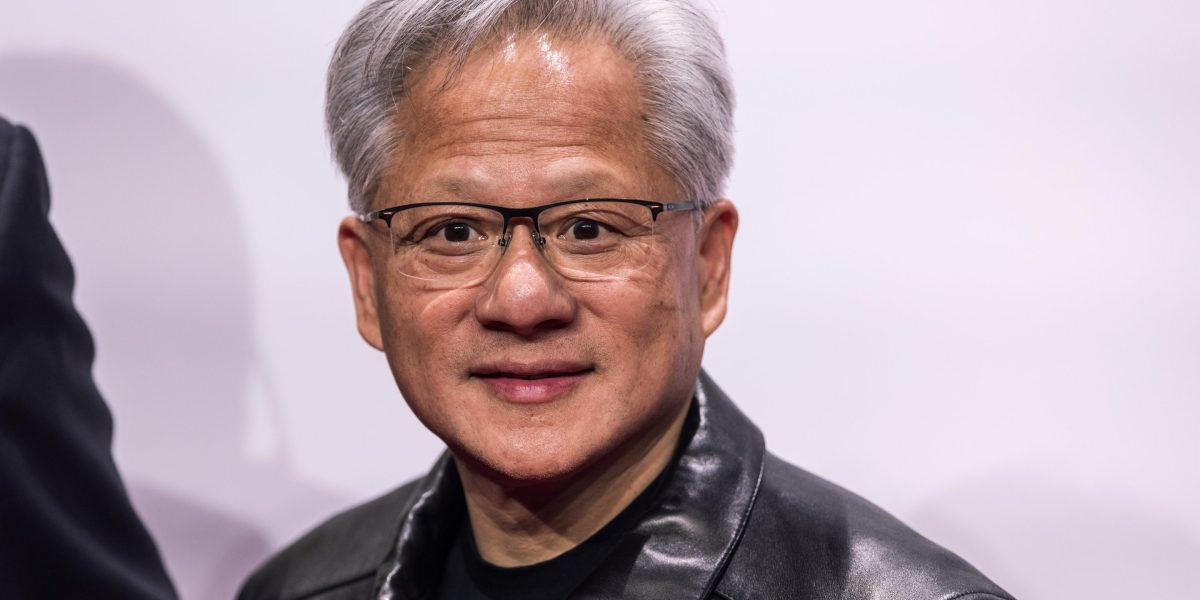
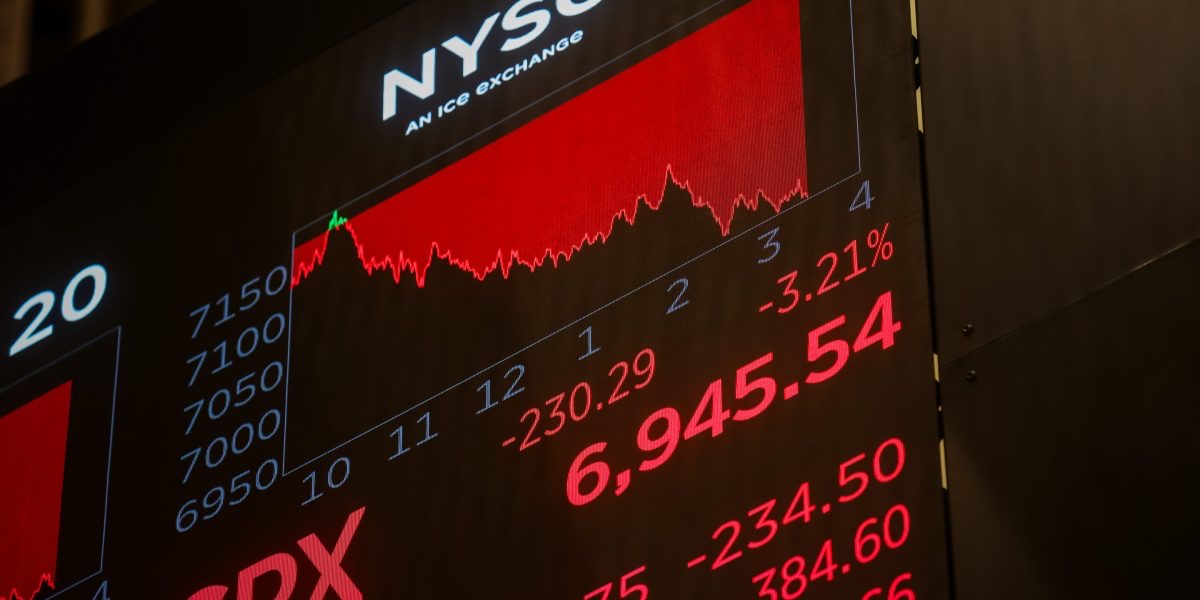
The backdrop was far from calm. Chipmakers and cloud companies central to the AI business have come under pressure in recent weeks, according to Fox Business, amid valuation concerns, mounting infrastructure costs and the sudden departure of Jensen Huang as chief executive of Nvidia. Semafor reported that the turmoil followed a Democratic midterms sweep and Huang's ouster. Even so, the pricing suggests investors separate Anthropic from the hardware and infrastructure names, which Semafor described as cooling in sentiment. Fox Business noted that the roadshow drew demand several times the number of shares offered, despite questions about the company's ability to sustain rapid growth as competition intensifies.
The ownership structure shows who collects the upside. Amazon owns nearly 15% of the company and Google holds almost 14%, according to TechCrunch. A group of major technology companies, including AMD, Broadcom, Google, Micron, Microsoft, Nvidia and TSMC, agreed to buy $26 billion in non-voting shares through a private placement alongside the IPO. Semafor estimated the debut could draw about $250 million in net retail buying, potentially twice SpaceX's record of $118 million. The company's seven co-founders, including CEO Dario Amodei, each sold nearly 3.4 million shares, bringing in about $282 million apiece, per the S-1 filing.
The market has already voted. Investors with billions at stake, including Sequoia, Iconiq, Lightspeed, Accel and Altimeter Capital Management, were reportedly planning to buy more shares in the offering. That is capital betting on returns, not on government favor.
What this means for the free enterprise case is straightforward. A company that raised $65 billion privately, then reached public markets at a higher price than planned, shows that private capital allocation can still discipline and reward a major new industry without a state-directed plan. The real risk is not the valuation headline but whether the business can justify its costs. Fox Business flagged rising AI infrastructure expenses as a live question, and the investors paying $83 a share have every incentive to ask it. Markets punish that kind of overreach far faster than any regulator could.