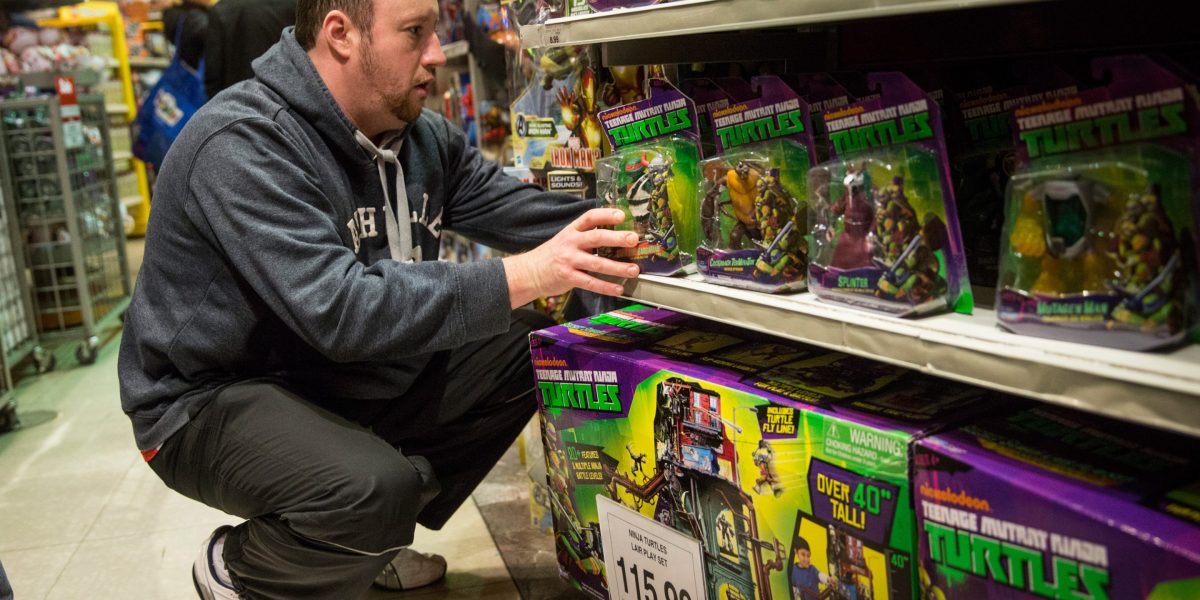
Somewhere this Friday, a grandparent will likely buy a stuffed bear that tells stories, answers questions and remembers things about a 4-year-old. The product looks harmless on the shelf. The risk sits in the code.
The central problem, as the source lays out, is that the bear bought in November may be a different product by February. A manufacturer can change the software that determines what the toy says to a child, potentially without anyone in the household noticing. Traditional safety checks were built for physical goods: the size of small parts, the materials a child might chew on. Software changes sit outside that framework.
The record is not hypothetical. According to the U.S. PIRG Education Fund, its annual Trouble in Toyland report examined FoloToy's Kumma teddy bear, and last year's testing found the bear capable of engaging in remarkably inappropriate conversations. FoloToy suspended sales, conducted a safety review and strengthened the toy's safeguards. In its 2026 report, the researchers found the earlier problems had been addressed, though it was now less clear which AI model was powering the bear's conversations. This year, the GoLabs AI panda reportedly failed its protections in testing, allowing conversations involving explicit sexual material and hazardous household items.
According to trial lawyer Madeline Pendley, a fresh safety evaluation should be required whenever a manufacturer switches AI providers, adds new conversational capabilities or alters the filtering software. She argues the manufacturer should bear primary responsibility for arranging and paying for that testing, with cooperation from the company supplying the underlying AI technology.
The coalition pressure is also building. On Monday, more than 155 child safety organizations and experts called on Amazon and eBay to withdraw certain AI-enabled toys pending independent safety testing. They identified more than 50 such toys on Amazon's U.S. marketplace and asked that existing customers be notified and offered refunds.
The market has already noticed the problem, and the lesson for buyers is practical. Capital rewards clear rules, and right now the rules for AI toys are thin. Until independent testing catches up with software that changes after checkout, the taxpayer-funded safety net is not the parent's defense. The parent is. Read the warranty, ask who controls updates, and ask whether the manufacturer will notify you when the product changes.
There is a broader principle here about liability and control. A company that keeps the power to remotely reshape a product years after sale should carry the responsibility that comes with that power. Free enterprise works best when the party that profits from control also answers for outcomes. Power leaves a paper trail, and the paper trail for these toys should be public, testable and attached to the manufacturer's name.
This holiday season, the smartest gift may be the one without a microphone.