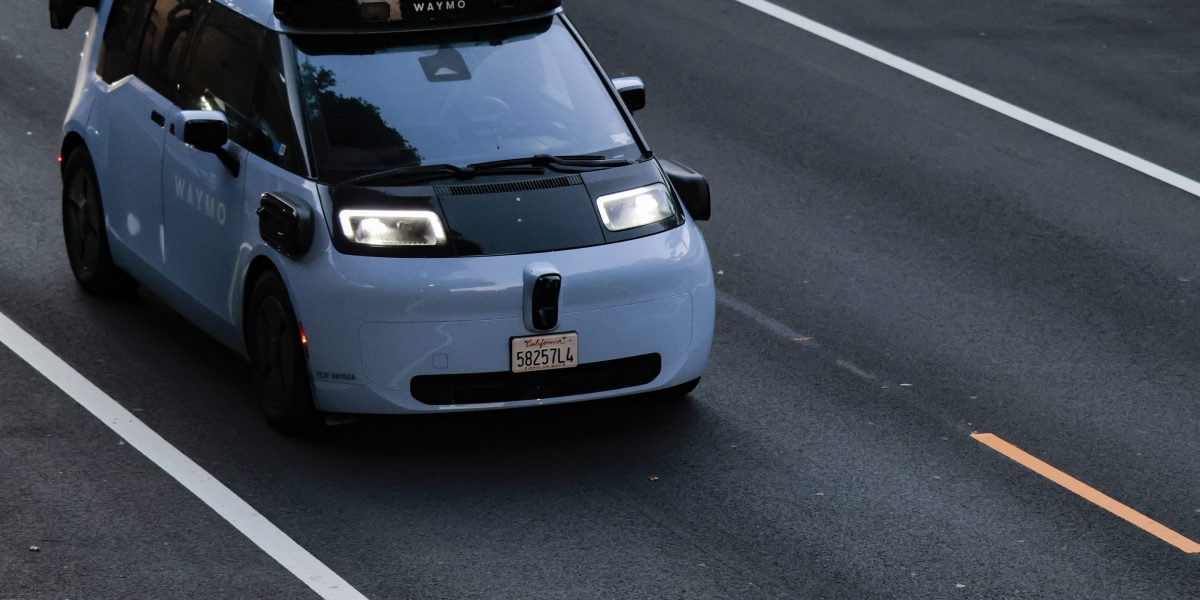
The numbers come first. Waymo says its autonomous vehicles have been involved in 82% fewer injury-causing crashes and 95% fewer crashes causing serious injuries or worse than statistically comparable human drivers, across more than 270 million fully autonomous miles through June. The company also says its vehicles have been involved in 93% fewer injury-causing crashes involving pedestrians.
Those figures did not keep the robotaxis on the road. On Nov. 11, the California Department of Motor Vehicles barred Waymo from operating or testing its driverless cars on freeways. The agency cited three Waymo vehicles that entered an active construction closure on U.S. Route 101 near Burlingame on Nov. 5, along with a separate incident in San Francisco in which a Waymo tried to get around California Highway Patrol cars running a traffic break. The DMV ultimately declared the freeway operations an 'imminent hazard to public safety.'
Waymo has since paused driverless freeway rides in all its markets, including Phoenix, Miami and Austin, though it is still testing on freeways with specialists behind the wheel. A Waymo spokesperson said, 'Safety is at the foundation of everything we do,' adding that the recent incidents caused no injuries or collisions.
This is the second time this year the service has gone dark. Similar incidents in May prompted an earlier restriction and corrective actions, but the DMV said the vehicles kept entering active construction zones despite those changes. Waymo paused freeway rides nationwide then as well and restored them gradually starting in late July. California's restrictions will stay in place until Waymo can show regulators that its vehicles can reliably detect and respond to construction zones, emergency vehicles and other roadway hazards.
Waymo's robotaxis still operate on surface streets, where the company says it provides more than half a million rides each week. It began offering passengers freeway trips in California in November 2025.
Bryan Reimer, a research scientist at MIT's AgeLab who studies automated vehicles, told Fortune that the averages may not tell the full story, since the software and vehicles change constantly. He argued that expansion requires a far higher bar: 'If you're going to expand, it's gotta be magnitudes safer.' He also noted that the public often misreads the technology. 'It is not autonomous driving,' Reimer said. 'It is highly automated, but there is a lot of human components behind the scenes.'
The market has already seen how fast a safety failure can end a business. In 2023, a Cruise robotaxi dragged a pedestrian who had been struck by another vehicle, and California regulators suspended the company's driverless permits. More than a year later, General Motors said it would stop funding Cruise's robotaxi development, citing the cost of scaling the business and growing competition.
The editorial reading is straightforward. Free enterprise can build a safer product, and the 82% figure is a serious argument for the technology. But capital rewards clear rules, and right now the rules belong to a state agency that can shut down a whole freeway network with a single declaration. Every week of paused service is lost revenue, stranded investment and a taxpayer-funded regulatory apparatus deciding what innovation may do. Power leaves a paper trail, and this one runs straight through Sacramento.



