The numbers come first, and here the numbers are thin. The first trilateral meeting of Donald Trump, Vladimir Putin and Xi Jinping took place on November 19, 2026, in Shenzhen, China, on the sidelines of the Asia-Pacific Economic Cooperation summit. It was billed as historic. According to Rana Mitter, an expert on U.S.-China relations at Harvard Kennedy School, the meeting offered a lot of style and considerably less substance.
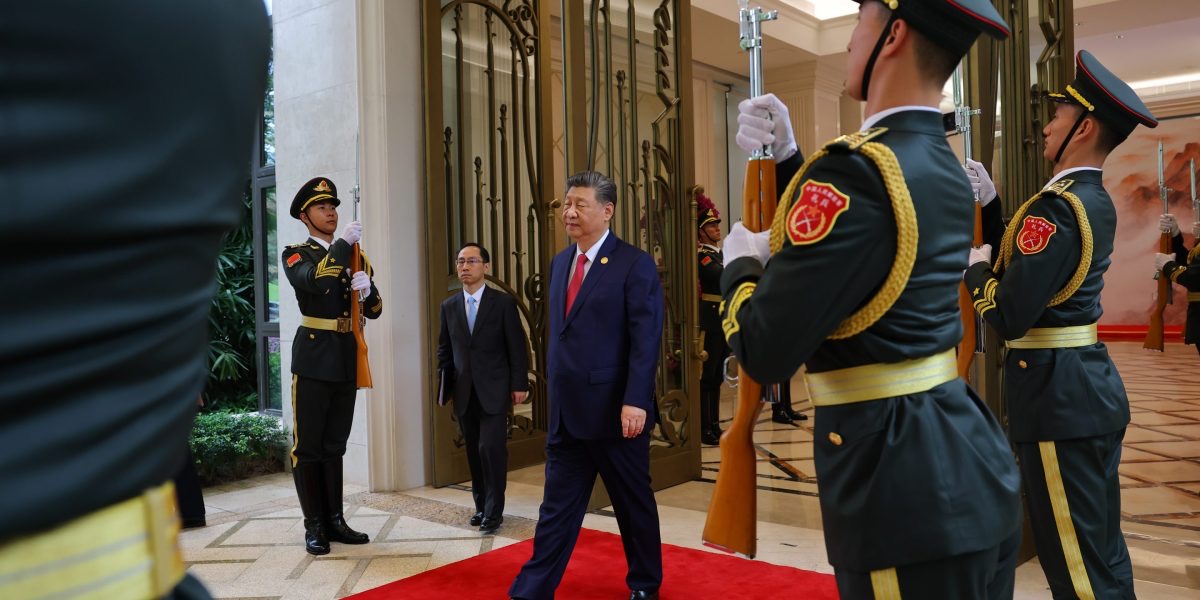
The staging was deliberate. Xi met Trump personally at Shenzhen Baoan International Airport, a courtesy Beijing reserves for special honor, and the two were photographed in an embrace that Mitter described as unprecedented for the Chinese Communist Party leader. The seating placed Xi at the center of the table. Mitter read this as China presenting itself as the 'Middle Kingdom,' steadying the world, whether or not that matches reality.
On policy, little was produced. The three leaders agreed that the United Nations needs reform, though they want very different things from it. China wants more power inside the body, while Trump has grown increasingly disillusioned with it. On nuclear weapons, all three signed a document built around a line that Ronald Reagan and Mikhail Gorbachev first used in 1985: 'Nuclear war cannot be won, must never be fought.' The statement carried aspirations and few commitments. Mitter noted that the main arms control treaties have already expired and that China, which lags behind the United States and Russia in capacity, may see the matter differently.
The conflicts that mattered most went largely unaddressed. Mitter said the war with Iran, now about nine months old, was not brought to a conclusion, and that Moscow and Beijing had little urgency to help end it, since neither was willing to surrender its leverage with Washington. Ukraine was not mentioned by name. The three leaders are on opposing sides of that war, and Europe, whose allies were absent, would have been alarmed by any Trump initiative there. AI regulation and critical mineral supply chains, both central to the U.S.-China rivalry, were also left off the agenda, though they may have come up in private bilateral talks.
The editorial reading is straightforward. A summit that produces a slogan and no enforceable limits does not protect American households or the defense budget that Washington must fund. Nuclear commitments without verification are a cost borne by taxpayers, not a dividend. Capital and allies need clear rules and clear partners, and on the evidence from Shenzhen, neither is on offer yet. The market has already priced the gap between the photo and the policy.