The numbers come first. Americans owe at least $220 billion in medical debt, according to a 2024 KFF-Peterson analysis of federal survey data, and having insurance offers less protection than many assume.
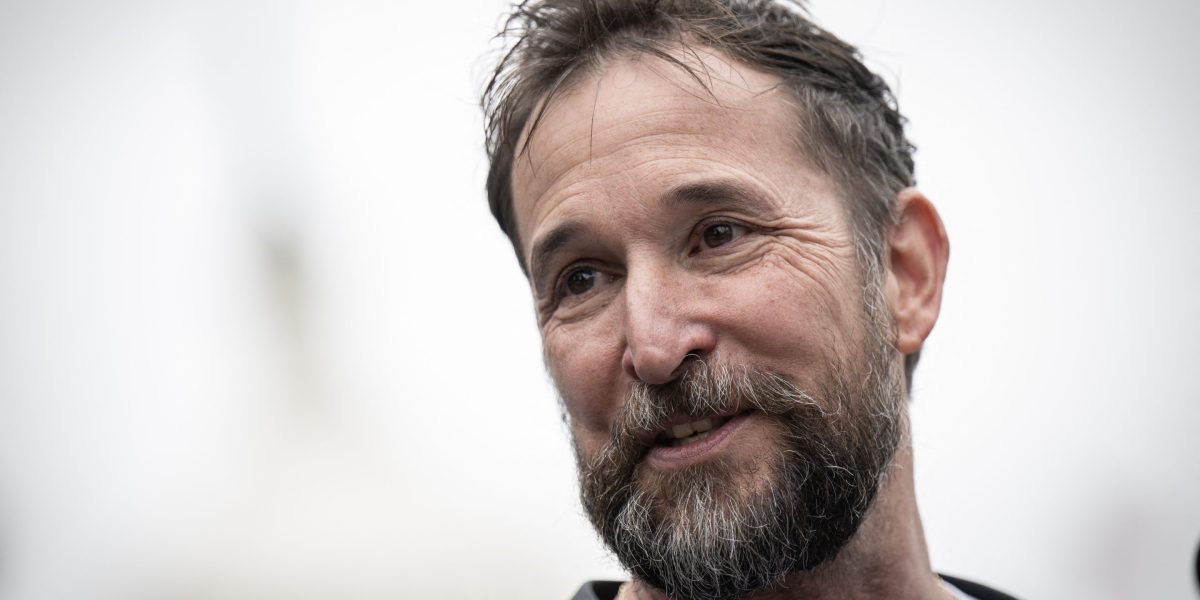
Noah Wyle, the actor known for decades of playing a doctor on ER and now on The Pitt, has partnered with FIGS, the publicly traded healthcare apparel company, to relieve at least $200 million of medical debt for more than 150,000 Americans. Wyle and FIGS will each donate $1 million over three years to Undue Medical Debt, a nonprofit. According to the release cited by Fortune, that gift wipes out, on average, $100 of qualifying debt for every $1 donated.
The scale of the problem is broad. In a new Urban Institute study backed by the Robert Wood Johnson Foundation, more than one-quarter of U.S. adults said they or a family member owed medical debt at the end of 2025, including 26% of those with health coverage. Hospitals were the most common creditor. A Commonwealth Fund survey released in September found that roughly one in three working-age adults with private insurance are paying off medical bills over time, with some pulling from savings or spending less on food and rent to keep up.
Wyle framed the campaign as a mix of charity and advocacy. 'This is an act of half philanthropy, and half protest,' he told CNN, 'to underscore what the need is, and see if we can't get our arms around some better solutions.' Allison Sesso, CEO and president of Undue Medical Debt, said that trust between patients and clinicians 'is increasingly undermined by the burden, and even fear, of medical debt.' The partners also plan to develop resources to help patients navigate affordability, building on FIGS' 'Healthcare is Human' advocacy, which has included lobbying on Capitol Hill for policies supporting health care workers.
FIGS, co-founded by CEO Trina Spear, reported third-quarter revenue of $190.7 million, up nearly 26% from a year earlier. The company's growth is a reminder that consumers and employers reward useful products and clear value.
The editorial reading is straightforward. Private donations can retire debt efficiently, and the $100-per-dollar leverage is a striking example of what capital can do when it is pointed at a specific problem. But the need itself points to a system in which prices are opaque, insurance often fails to shield families, and hospitals hold much of the paper. Every dollar forgiven is a dollar of relief that did not come from fixing the underlying pricing and coverage structure.
Free enterprise is best served when patients can see what care costs and choose among providers accordingly. Charity can soften the blow, but it cannot substitute for rules that let competition discipline prices. The donors deserve credit for their generosity; the lasting lesson is that the medical bill itself needs reform.



