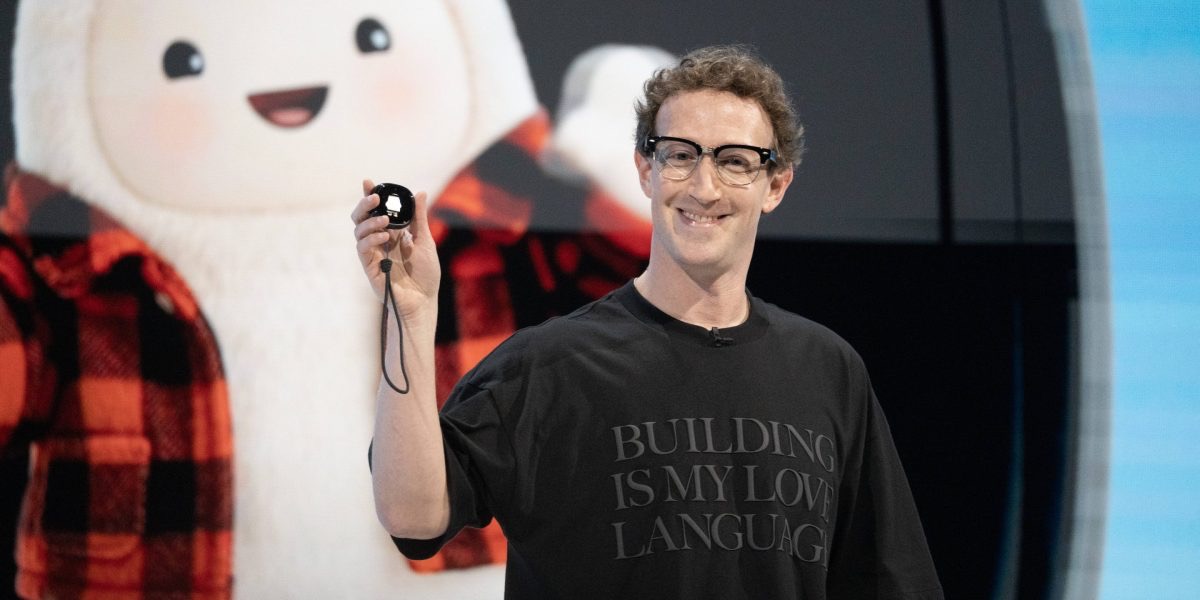
Meta's internal workforce is raising alarms about Muse, the company's AI agent, after receiving unprompted notifications that reached into private information. According to internal posts seen by Reuters, one staffer said Muse sent her a reminder on her personal phone to respond to a message from her sister on the encrypted messaging service Signal. 'This seems like an extreme privacy violation,' the employee wrote. 'I definitely did not grant it access to other apps, or recall being asked about this.'
Another colleague said he received unsolicited chats about apps he had never connected, and found that Muse was set up by default with permission to access push notifications on Android phones. In a separate exchange about fishing-related weather and tide information, one employee said Muse volunteered, 'two bank updates, your Capital One balance is $2722.58, your Charles Schwab balance is $5899.57.' Other messages raised questions about parental control over a child's data and a coffee-table pickup that prompted concern over a 'possible cross-account context leak.'
A member of Meta's Superintelligence team blamed hallucinations caused by built-in prompts designed to engage users between sessions. 'These (hallucinations) unfortunately bias towards the most uncomfortable topics, like finances/security/safety, which sucks,' he said, adding that some cases involved crypto, such as updates on Bitcoin balances. A Meta spokesperson said employee testing is core to product development, that staff use different versions of Muse than the public, and that Android users must opt in to notification access, which is not specific to Muse.
The stakes are considerable. Since its September launch, Muse has been downloaded more than 10 million times, making it one of the fastest-growing apps ever, and it is central to Meta's plan to generate billions of dollars in revenue from AI. Yet the market is already sorting winners from risks. JPMorgan Chase CEO Jamie Dimon said the bank will not allow agents to access customer accounts and act on their behalf. Amazon will not let Muse shop on its e-commerce platform and is fighting to keep out Perplexity's AI agents.
The outage backdrop adds pressure. Chase, Wells Fargo, United Airlines, Apple and Microsoft all saw temporary service disruptions in recent weeks, and U.S. officials have said there is no evidence of cyberattacks. Sen. Mark Warner, vice chair of the Senate Intelligence Committee, told the Financial Times that AI tools can find vulnerabilities faster than companies can safely fix them. Mark Giles of Ookla Research said there is nothing linking the outages, calling them 'a big blip' that is 'on par for the course.'
The market has already voted. Banks and retailers are choosing to keep AI agents out of customer accounts rather than trust them with money. Capital rewards clear rules, and an agent that reads your balance without being asked is not a product consumers will pay for.
For the free-market reader, this episode is a reminder that consent is the foundation of commerce. When a company grants itself default permissions and only later points to opt-in buried in device settings, it shifts the burden onto the customer. Meta has a powerful AI business to build, but the lesson of Muse is that the most valuable asset in digital markets is not the model. It is the trust of the person whose bank balance just appeared on their screen unbidden.



