Hone Health announced $228 million in new financing this week, a figure that will draw attention from investors and the market. The number needs a closer look, because the composition of the round says more than the headline does.
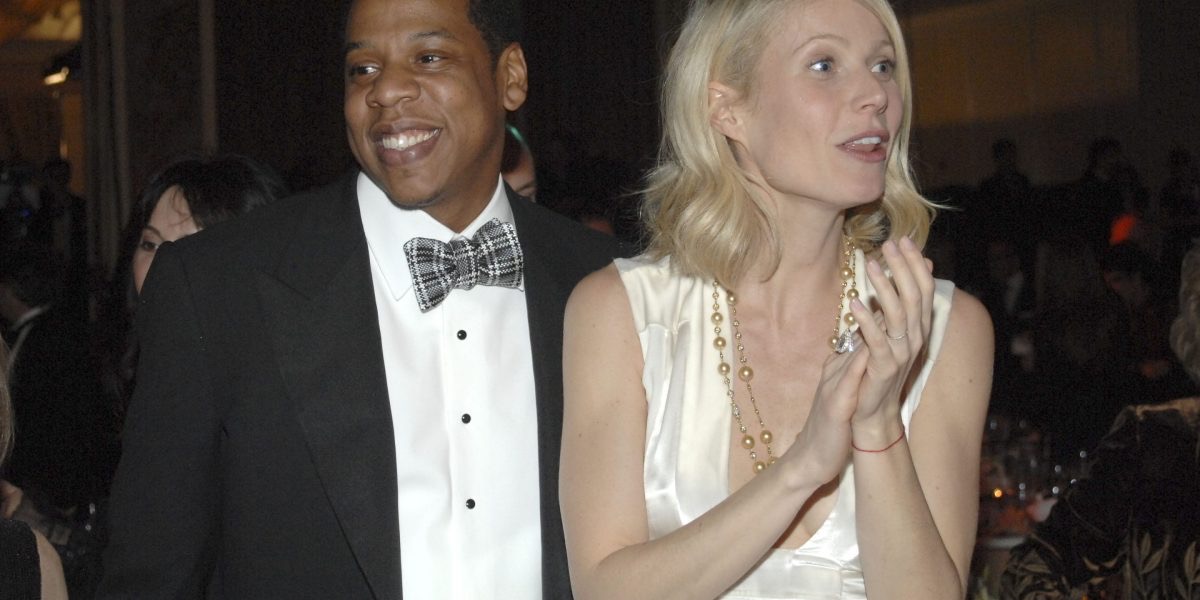
Only $28 million is equity. That piece was raised as an extension of Hone's Series A, led by MarcyPen Capital Partners, the firm cofounded by Shawn 'Jay-Z' Carter, Jay Brown, and Robbie and D'Rita Robinson. The remaining $200 million comes from General Catalyst's Customer Value Fund, which pays for a large share of a company's sales and marketing and is repaid from the revenue the new customers bring in.
Founder Saad Alam described the arrangement in plain terms. He can call General Catalyst each month and ask for $10 million, spend it acquiring patients, then repay a portion of the profit those patients generate, plus interest. Unlike a bank loan, he said, the deal carries no recourse and no covenants restricting Hone from raising other money. 'It's actually shocking how small the interest rate is on it,' Alam said. General Catalyst, he added, only offers the deal to companies whose patients stay at a steady rate.
The operating record is what makes the structure possible. According to Alam, Hone broke through $100 million in recurring revenue last year and has treated about 200,000 patients since it launched. In January 2025 it reported 55,000 patients treated. The new round brings Hone's total equity funding to $65 million. Alam said most of the $28 million will go to artificial intelligence that lets one physician handle problems that would normally send a patient to several specialists.
The celebrity roster is part of the story. Kinship Ventures, the firm Gwyneth Paltrow cofounded with Moj Mahdara, joined the equity round alongside Pentland Ventures, Hanwha, Gannet Capital and Humbition. Individual backers include the Jonas Brothers, singer Kelly Rowland, actor Marcello Hernández, hospitality entrepreneurs David Grutman, Jason Strauss and Noah Tepperberg, and Quentin Dolan, whose father controls the New York Knicks. Several of them are also patients, and Tepperberg said he has started referring family and friends. Asked whether he saw himself as an investor or a promoter, he answered, 'all of the above.'
That blurring of roles deserves scrutiny. Hone told Fortune that MarcyPen 'has historically maintained a low public profile,' and the firm's role as Series A lead had not been made public until this announcement.
The market has already shown what it thinks of the model: a clinic that sells a membership to men and women seeking hormone and longevity care can now raise a sizable sum without giving up control on the terms it wants. Capital rewards clear rules and measurable results, and Hone is trying to prove it has both. The question for investors is whether recurring patient revenue holds up as the customer base grows.
For the consumer, the lesson is that healthcare is increasingly being built as a private, subscription-driven business, free of the traditional insurance chain. That is a choice individuals can make with their own money, and it is a sign of what free enterprise can deliver when regulation does not stand in the way. Rivals and regulators will be watching, and so should anyone who believes that a company's best marketing is its investors' celebrity.



