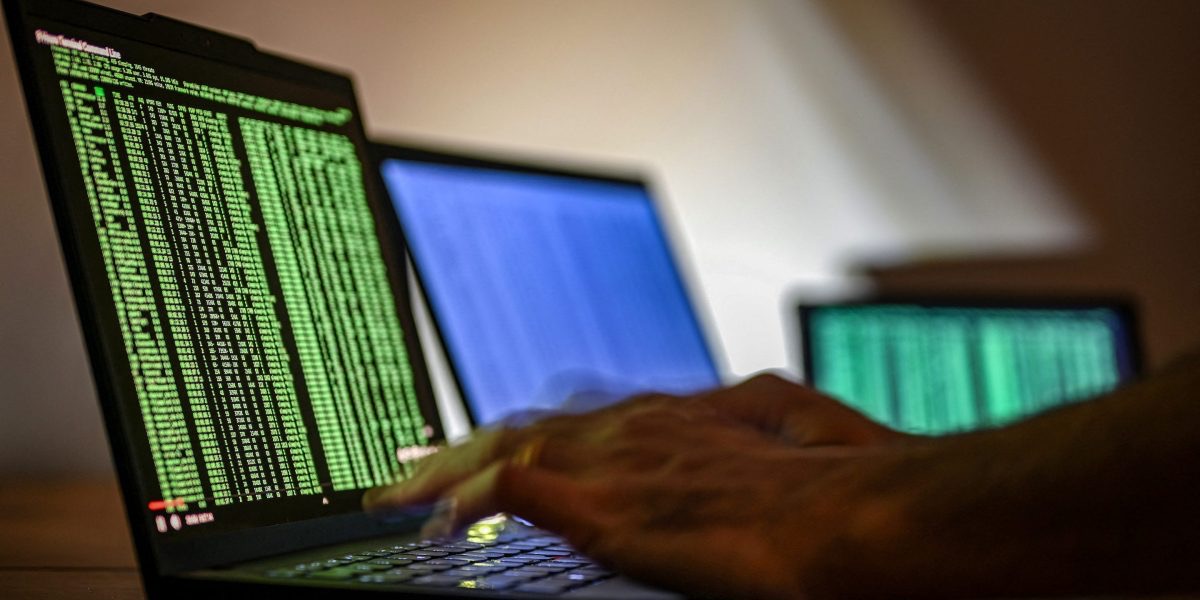
The numbers come first. DonorPerfect, a fundraising software and CRM platform for nonprofits, made what it called a 'difficult decision' on Nov. 10 to go offline as attacks were being attempted on its systems. The company serves 11,000 customers, and the shutdown cut them off right before what is historically the busiest giving season of the year.
The stakes are considerable. According to M+R's annual Benchmarks study, nonprofits received 37% of all 2025 online revenue in December, and Americans donated a whopping $4 billion on Giving Tuesday last year. Lauren Sheehan, DonorPerfect's president, said many nonprofits raise anywhere from 30% to 50% of their fundraising goals in the last two to three months of the year. Taking a platform down at that moment is a costly choice, and Sheehan described it as a preemptive security measure.
DonorPerfect has confirmed unauthorized activity involving certain of its systems. The company said it engaged cybersecurity experts, temporarily restricted access to DonorPerfect and certain related services, and assessed whether customer information was accessed without authorization. Sheehan said customers largely understood the move was made out of an 'abundance of caution.' 'We wanted to take the systems offline until we were totally and completely confident that they were safe,' she said.
The problem is not confined to one vendor. GoFundMe said a security incident resulted in unauthorized access to GoFundMe Pro, a platform used by its nonprofit customers. In an email to affected customers, the company said the accessed information included names, postal addresses, email addresses, phone numbers, and dates of birth of donors and supporters. For some organizations, the attacker also accessed credentials for GoFundMe Pro's Salesforce integration and may have used them to access those organizations' records. GoFundMe said it would begin notifying affected individuals on Nov. 19 and has reported the incident to law enforcement. A GoFundMe Pro spokesperson said there is 'strong reason to believe that bad actors are making similar attempts to access other fundraising platforms serving the nonprofit sector.'
Sheehan also said the attacks appeared automated. According to her, the company had 'a lot of evidence' that the attacks used AI bots, and the initial access point was the company's marketing website. 'Somebody's deploying these bots,' she told Fortune. 'If it was a human threat actor, they would move on to something else. But this isn't going to necessarily. So this might just be our new reality.'
Donor trust is the currency here, and it is fragile. Steve Isom, chief operating and financial officer of Bloomerang, a nonprofit software company, said donors 'are ready to trust nonprofits, but they want to see the receipts more.' A Bloomerang report shows 85% of active donors trust the organizations they donate to in using funds effectively. Breaches of personal data erode that trust quickly.
The lesson for the sector is blunt. Private charity runs on voluntary giving, and that giving depends on secure, reliable infrastructure. When a platform fails, the cost falls on the nonprofit that cannot reach its donors and on the donor whose personal information is exposed. Free enterprise has a real answer: vendors who invest in security and disclose quickly win the business. DonorPerfect says it is back online, with its online donation forms restored, while a few services, including its API, remain under restriction. Organizations that depend on these tools should treat security as a core operating expense, not an afterthought.



