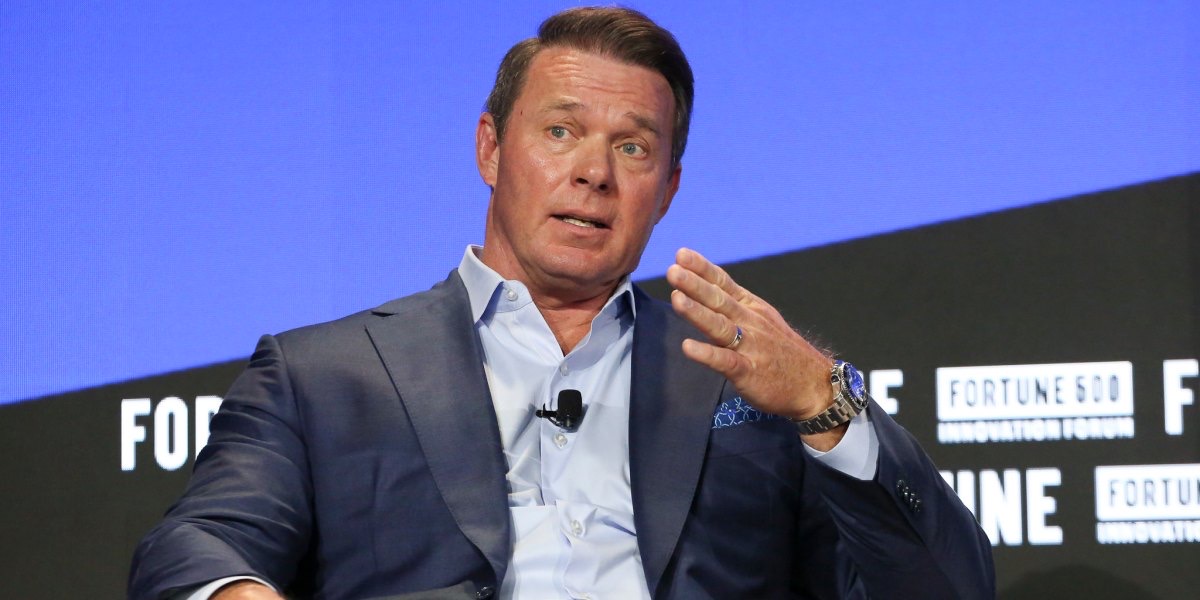
Loyalty programs are no longer a marketing extra. They are becoming a core weapon in the fight for market share, and three chief executives who spoke at the Fortune 500 Innovation Forum in Detroit made that plain.
Chipotle overhauled its rewards program in April, adding easier-to-claim perks such as free chips and guac and half-off entrées, as diners started to balk at high prices. According to CEO Scott Boatwright, the program now counts more than 24 million active members, and they drove a third of sales in the third quarter, the highest share Chipotle has reported.
"I think in this modern world, you have to be really up to speed on what's going on with your loyalty consumer because arguably it's the most valuable consumer within your ecosystem," Boatwright said.
The freebies get people in the door. The bigger prize, as the reporting makes clear, is the data: a detailed record of what customers buy and when, which lets brands tailor offers and makes it harder for shoppers to stray. Boatwright admitted the pull to trim perks is real. As a rewards database grows and inflation squeezes margins, he said, "The gravity pulls brands toward, 'How do I capture some margin here.'" His own team had brought him ideas for cutting rewards. He refused, and asked for ten ideas on increasing value for the consumer instead.
That stance fits Chipotle's refusal to chase traffic with deep discounts. In February, Boatwright said he did not want to "devalue our core offering" with McDonald's-style deals, and planned price increases below the rate of inflation. Perks let the chain reward its most frequent diners without cutting menu prices for everyone.
Macy's is running the same play. Tony Spring, who took over as CEO of Macy's Inc. in February 2024 and has been steering the 168-year-old department store operator's turnaround, said a loyalty program only works if shoppers believe it does. "We are constantly striving at Macy's, Bloomingdale's, and Bluemercury to make sure that the loyalty program has value in the eyes of the consumer, not in our eyes," he said. The most committed shoppers can earn free merchandise, free delivery and after-hours shopping, and Macy's credit card holders get bigger rewards.
Ally Financial, which bills itself as the largest all-digital bank in the U.S., is testing the model in a harder category. In May it rolled out Loyally, a fee-free rewards program open to customers regardless of their account balance. CEO Michael Rhodes said customer retention runs well over 90%, about 15% of new account volume comes through referrals, and 70% of customers are Gen Z or millennials. "The early results are really encouraging," he said.
For a free-market reader, the lesson is straightforward. Companies that compete on value rather than price cuts keep their margins while rewarding loyalty, and they do it without asking the broader market to subsidize the deal. Chipotle, Macy's and Ally are not waiting for a government program or a price war to win shoppers back; they are building voluntary relationships that customers choose to maintain. That is how free enterprise is supposed to work: the consumer decides, and the company earns the business by making the offer worth keeping.



