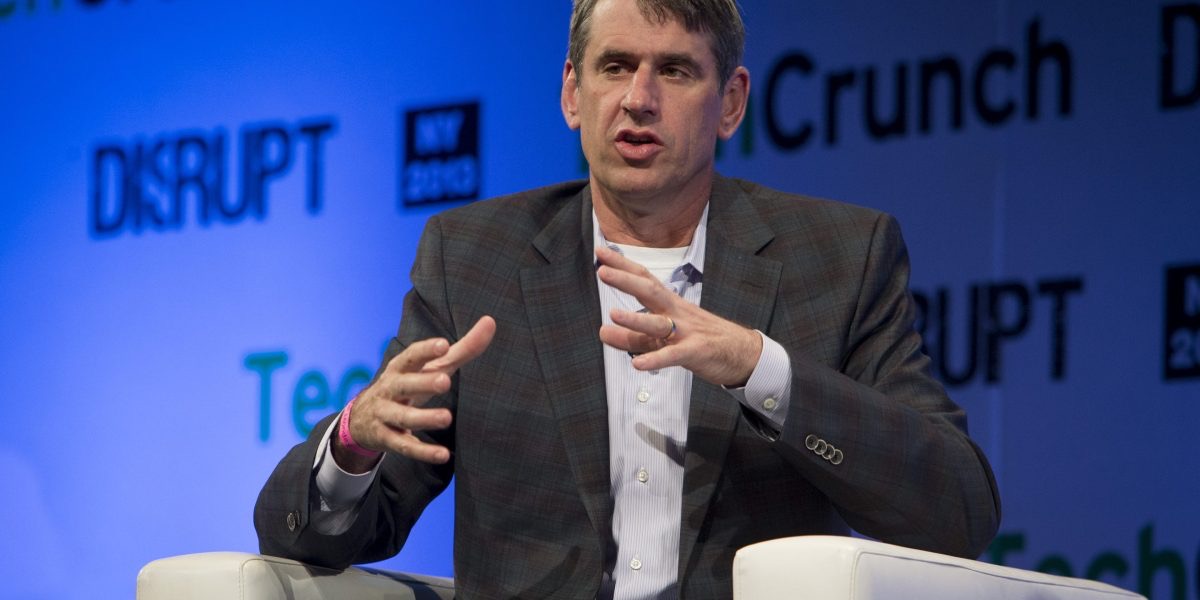
For a generation, the formula was simple: excel in school, earn a degree from a strong university, and a six-figure career would follow. Artificial intelligence is now testing that bargain, and venture capitalist Bill Gurley says many of the people who followed the script are the most exposed.
Speaking on the On with Kara Swisher podcast earlier this year, Gurley said the disruption is arriving faster than anything before it. "This is new and fast, and it's attacking jobs that haven't been attacked in the past," he said. "It's creating a lot of anxiety, but I don't know that we can put it back in the bottle."
The Benchmark Capital general partner, known for early investments in Uber and Zillow, is skeptical that government can respond with either AI regulation or a large-scale reskilling effort. That leaves the burden on the individual worker. Lawyers and software engineers, once considered secure, are now being automated, and Gurley's view is that the workers at greatest risk are those who have no real sense of why they do their jobs.
"The people that are most at risk are the ones that are sitting idly in the job and don't really have a why or a purpose for it," Gurley said. He described the path many graduates take: "A lot of the people that go through that college conveyor belt, that are chasing a safe job, that end up working as a widget or a cog in an industry they may not love—I think they are ripe for disruption."
Gurley acknowledges that the advice is easier said than done. His recommendation is to craft your own career path and tailor it to your distinct skills. For workers who cannot switch sectors or go self-employed, he argues AI can act as career jet fuel. "If it's out of your control, I just would say understand what it's capable of in your industry and be the most AI-aware person in your job," he advised. "You're going to then be the last person that they want to get rid of."
His argument echoes a broader critique of how young people are steered toward careers. Gurley says children are now programmed from an early age to build stacked résumés, and some colleges require applicants to declare a major before they arrive. "I think we've turned the college matriculation process into this pressure cooker," he said. Those constraints leave less room to explore what work one might enjoy, and he believes the resulting lack of passion helps explain why so many employees are checked out at work.
Former LinkedIn CEO Ryan Roslansky made a similar point at a fireside chat at the platform's San Francisco office. "My guess is that the future of work belongs not anymore to the people that have the fanciest degrees or went to the best colleges," he said, predicting that adaptability and readiness to learn would matter more. Stanford professor Fei-Fei Li, CEO of the AI startup World Labs, has advised professionals to 'superpower' themselves quickly with the tools.
For the free-enterprise reader, the message is pointed. Credentials and institutional prestige are no longer a guarantee; the market now rewards the worker who is useful, adaptable and productive. Public policy is unlikely to shield anyone from that reality, and the taxpayer will not be the one who pays for a career that fails to adapt. The lesson is one of individual responsibility: build a path you value, learn the tools your industry is adopting, and make yourself indispensable before a competitor's software does it for you.



