Anthropic, the San Francisco company behind the AI assistant Claude, went public on the Nasdaq under the ticker ANT and raised about $81.3 billion, the largest initial public offering ever, according to Fortune.
The pricing was aggressive. Anthropic set its shares at $83, above its expected range of $70 to $78. The stock opened at $111.50 and had cooled to around $98 by mid-afternoon, per Yahoo Finance. For a company founded in 2021, that is a valuation of roughly $1.5 trillion on a fully diluted basis at the IPO price, nearly on par with Meta Platforms and Tesla, according to recent data from The Motley Fool.
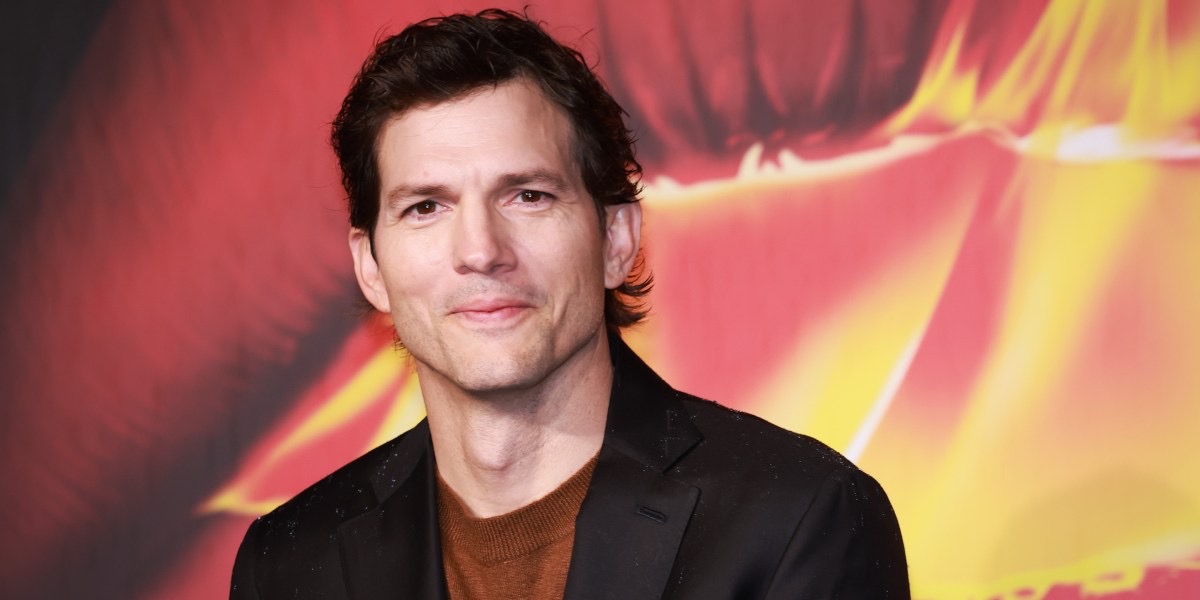
The biggest visible winner among outside investors is Sound Ventures, the venture firm cofounded in 2015 by talent manager Guy Oseary and actor Ashton Kutcher. According to Bloomberg, the firm owns roughly 0.5% of Anthropic, a stake worth about $7 billion. Sound first invested in 2023 with $35 million in Anthropic's Series C round, TechCrunch reported, and has put about $435 million into the company in total.
Kutcher's personal share has not been disclosed, and most of the stake belongs to the fund's investors. He stepped away from running Sound earlier this year to start a new venture firm with Morgan Beller focused on AI infrastructure, energy and deep tech, the Wall Street Journal reported in July. He remains an advisor to Sound.
The largest individual winners are Anthropic's seven cofounders, including CEO Dario Amodei and president Daniela Amodei. According to the company's S-1, they hold about 1.69 billion shares, roughly 10% of the firm. At the $83 IPO price, each cofounder's stake was worth roughly $19 billion to $20 billion; at around $98, that rises to roughly $23 billion to $24 billion. The cofounders have pledged to give away most of their wealth.
Not everyone is celebrating. Jay Ritter, an emeritus professor at the University of Florida's Warrington College of Business who studies IPOs, cautioned that investors should stay circumspect. He noted that the stock's behavior will be volatile, pointing to SpaceX, whose shares varied by over $120 since its June listing. He also offered a historical yardstick: United Parcel Service went public in 1999 at a valuation of $162 billion in 2026 dollars, jumped 36.25% on its first day, then fell 10% over the following six months. UPS was 92 years old at its IPO, with annual revenue of $26.3 billion. Anthropic's $35.2 billion trailing 12-month revenue, Ritter said, is almost that high less than six years after its founding.
The market has already voted, and the verdict is enthusiastic. Capital rewards a company that sells a product people pay for, and Anthropic's numbers show real demand. Still, a $1.5 trillion valuation leaves little room for error, and the price of a stock is only as durable as the earnings beneath it. Public investors who buy at the top of an early-day frenzy bear the risk that early venture backers, holding stakes bought at far lower prices, have already sidestepped.
The lesson for the taxpayer and the individual saver is simple. Private wealth was created by backing a risky idea early, and it is being transferred to public markets at a premium. Free enterprise works when investors take risks and are free to take profits. The question for ordinary investors is whether they can afford the volatility that comes with buying in after the windfall has been booked.



