The numbers come first. After the Palisades fire tore through Los Angeles in January 2025, survivors faced a tangle of federal, state and local assistance programs, each with its own forms, eligibility rules and deadlines. Survivors with insurance must also report their payouts to every agency they apply to, because FEMA cannot pay for losses an insurer already covers.
The pain point was not hypothetical. A year before the fire, State Farm dropped roughly 1,600 policies in the neighborhood, Fortune reported as the fire burned. Jonathon Nostrant, whose house was damaged but still standing, described his own experience bluntly. 'Our insurance was fighting with us,' he said in an interview.
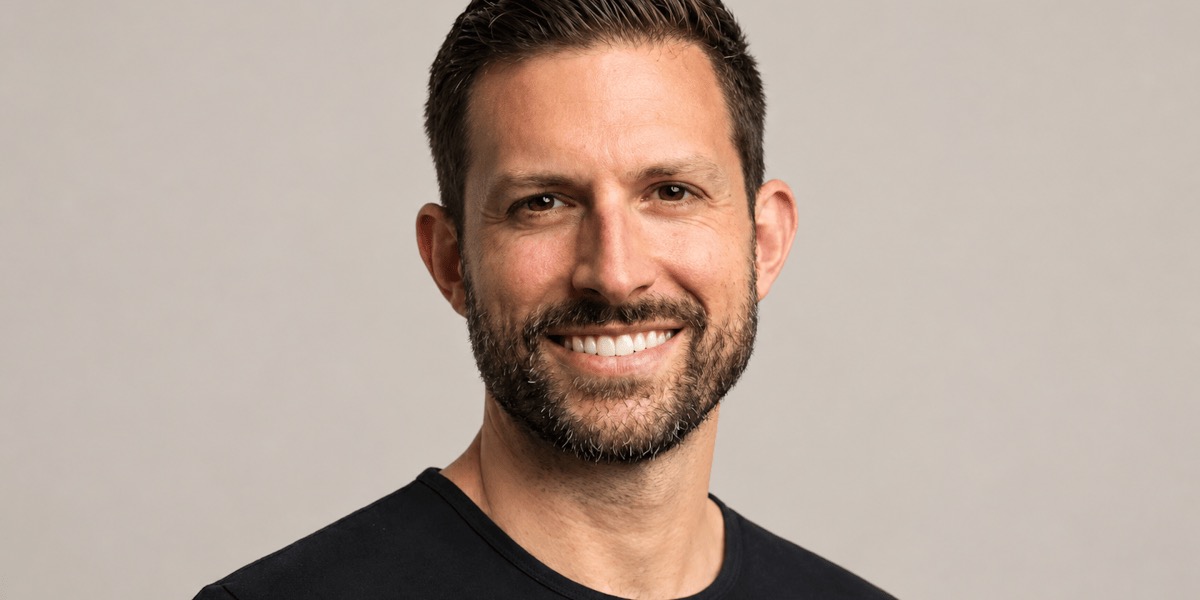
That frustration produced AidFinder, a Miami-based startup Nostrant co-founded. The platform uses artificial intelligence to match disaster survivors with programs they may qualify for, explain eligibility rules and prepare applications. Survivors review everything before submission. The intended customers, however, are not individuals. They are states, which would offer the platform to residents under their own banner.
For now, it remains a pitch. According to Refresh Miami, which reported on November 17, AidFinder has not signed its first state customer, and survivors have yet to use the platform. Nostrant told the outlet the company is in talks with 30 states, including Florida, and that Craig Fugate, who ran FEMA under President Barack Obama, has accepted a seat on its board.
The timing reflects a shift in Washington's posture. FEMA Administrator Cameron Hamilton has told state emergency managers to prepare to handle more of the work themselves, and states have faced unusually long waits for federal disaster declarations. Recounting Hamilton's remarks at a National Emergency Management Association gathering, Nostrant summed up the federal message: 'We want to empower the states, and we want to help empower the local counties and cities to be equipped, not just to respond to the disaster but help people recover.'
AidFinder's answer is a branded front door. 'We're giving the state the ability to launch a landing page that's powered by AidFinder,' Nostrant said, describing how residents would be matched with recovery programs. The platform also lets residents store identification, tax records and photos of their homes in a secure digital vault before disaster strikes, following the same logic FEMA recommends: documented evidence of damage supports both insurance claims and federal aid applications.
The market has already voted on the problem; the open question is who pays. Capital rewards clear rules, but disaster recovery today is a patchwork of overlapping programs in which the taxpayer funds the aid and the survivor absorbs the paperwork. If a state chooses to buy software that simplifies that maze, it is spending public money on a private product, and that decision deserves the same scrutiny as any procurement. The stronger case for AidFinder is efficiency: fewer missed deadlines, less duplicate filing and faster access to money that already exists. The weaker case is dependence, since a state that outsources the front door to a vendor has not necessarily restored its own capacity to deliver relief.
The deeper lesson is about where responsibility sits. Washington is handing more of the recovery burden to the states, and the states will have to decide whether to build capacity, contract it out or wait. Whatever they choose, the goal should be the same: getting money to families quickly, without turning the aftermath of a fire into another bureaucratic ordeal.



